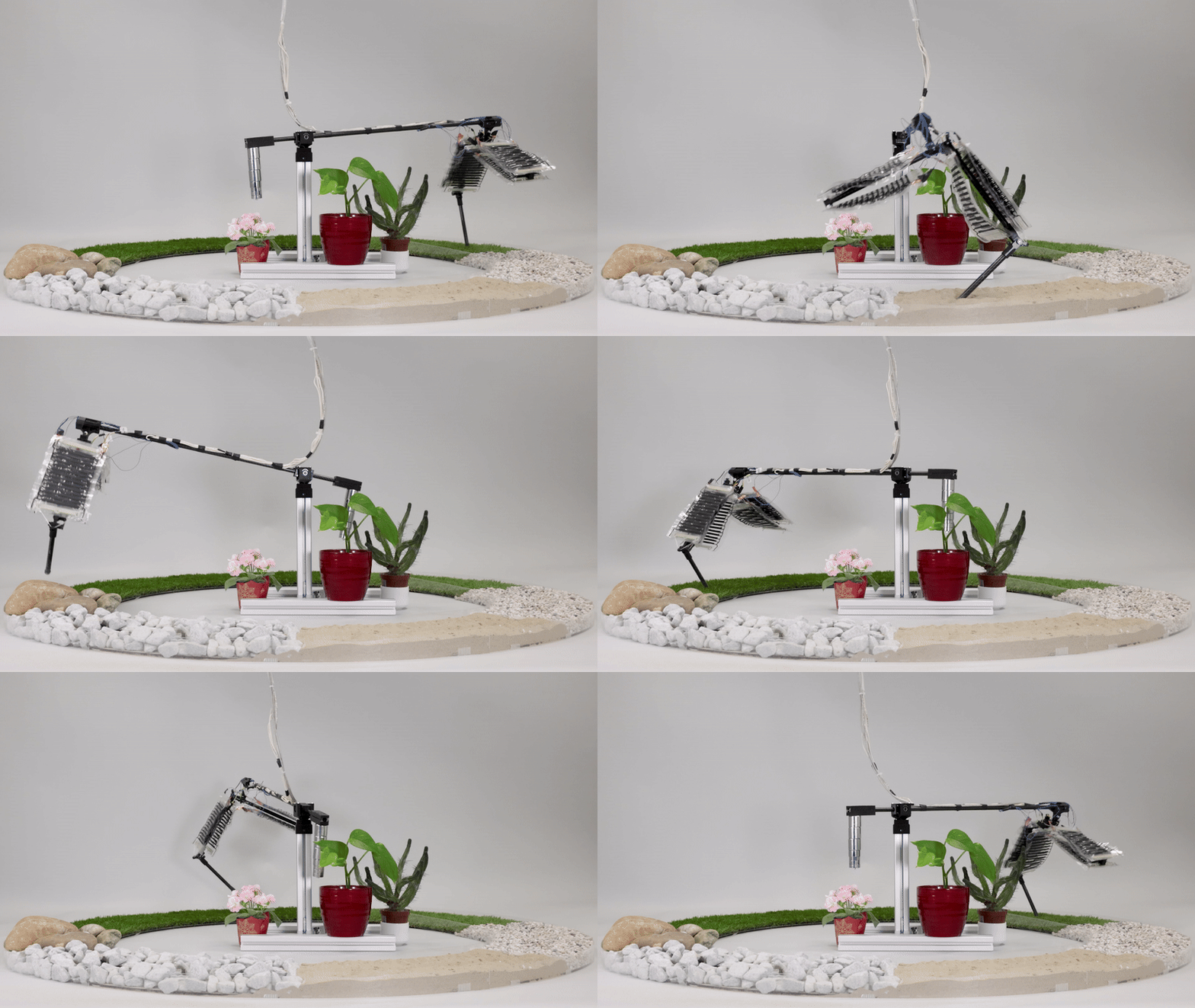
Electrohydraulic musculoskeletal robotic leg for agile, adaptive, yet energy-efficient locomotion
Soft electrohydraulic artificial muscles enable robotic legs for agile, adaptive, yet energy-efficient locomotion.

tag
Soft electrohydraulic artificial muscles enable robotic legs for agile, adaptive, yet energy-efficient locomotion.
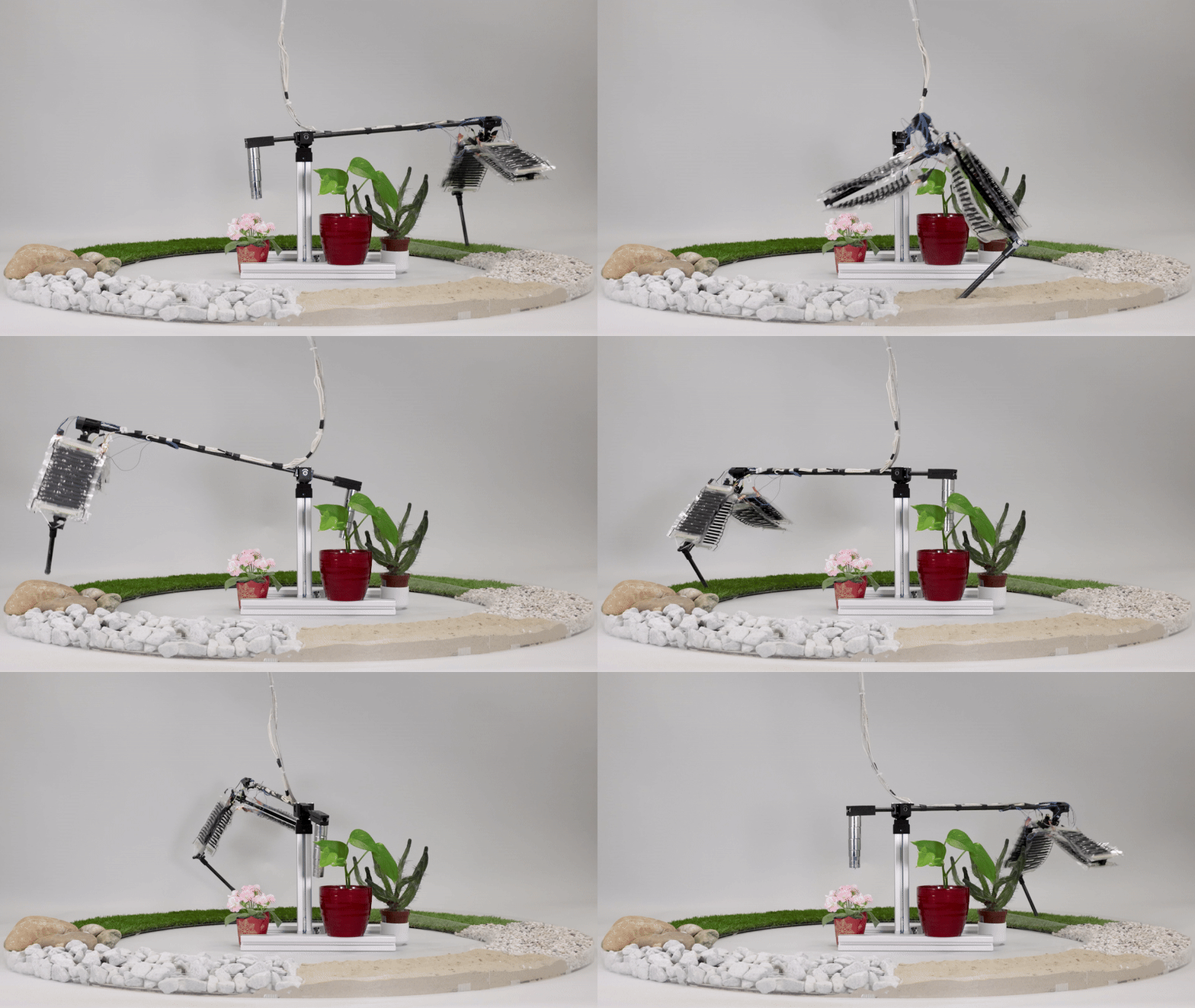
A robotic leg powered by electrohydraulic artificial muscles achieves agile, adaptive, yet energy-efficient locomotion.
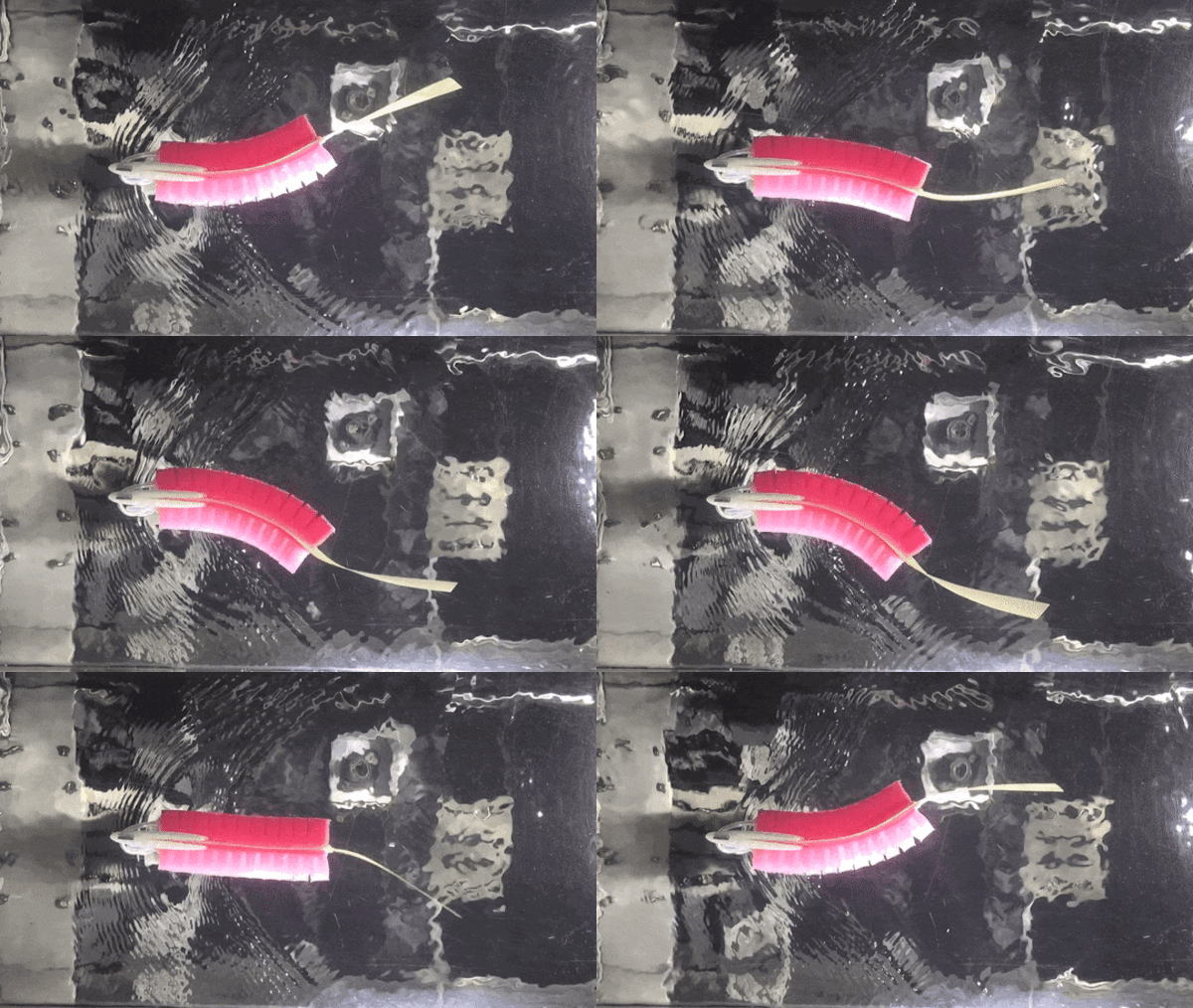
A fish robot as a robotic animal for understanding the biology of muscle activity for swimming locomotion
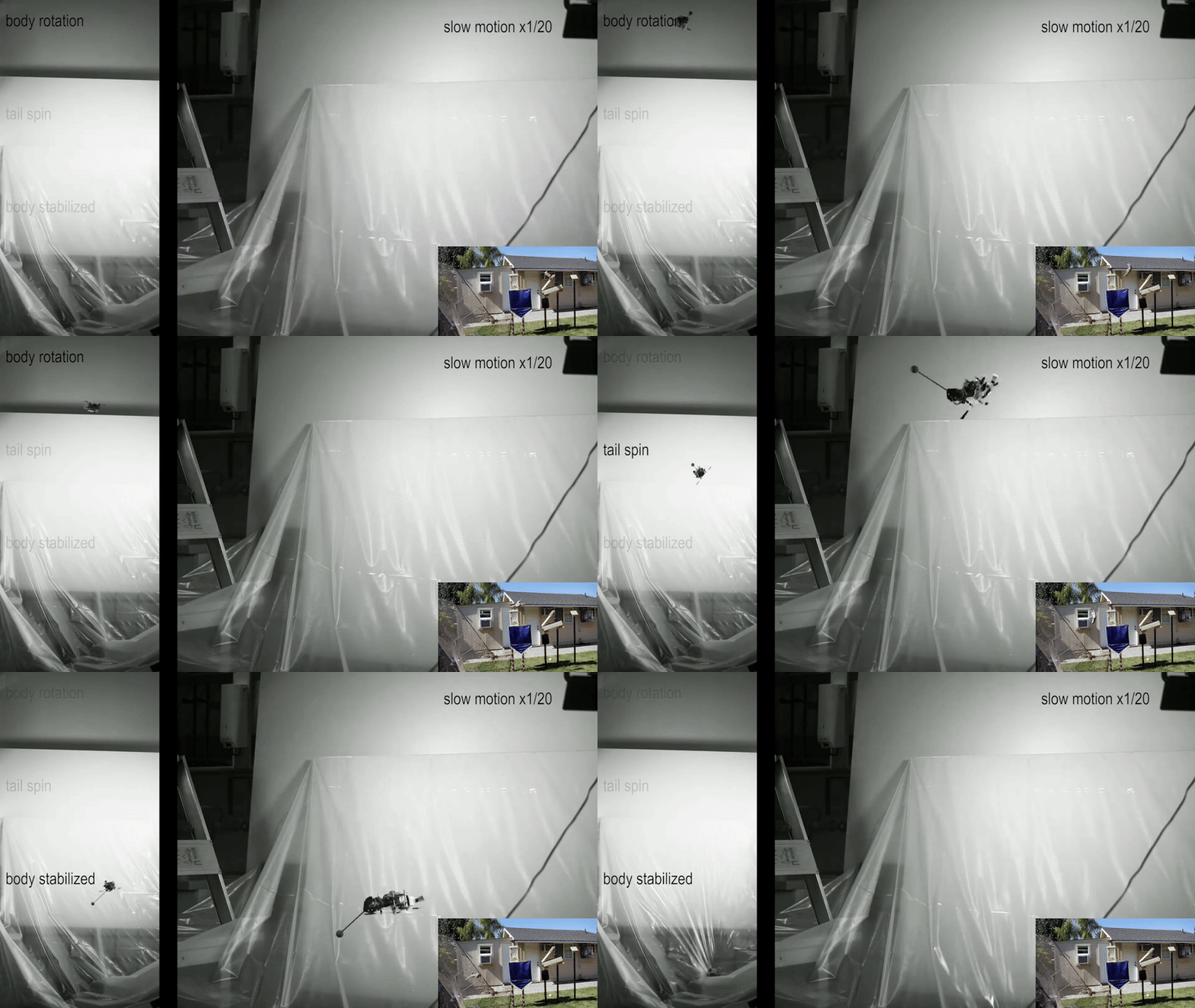
Squirrel’s very light tail (just 3% of body mass) can inertially stabilize their body from unexpected falls.
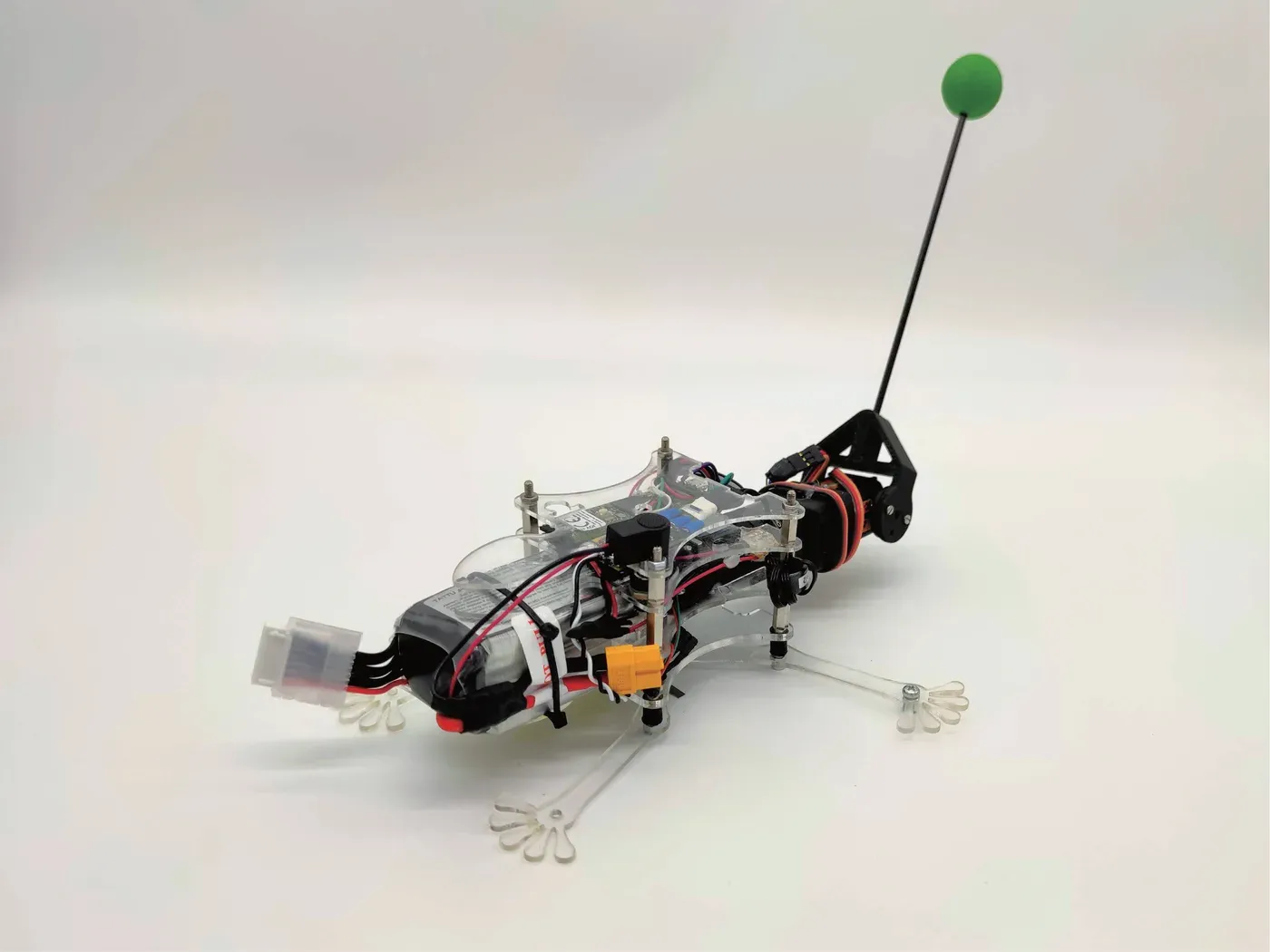
A squirrel robot for studying squirrel's aerial righting ability.
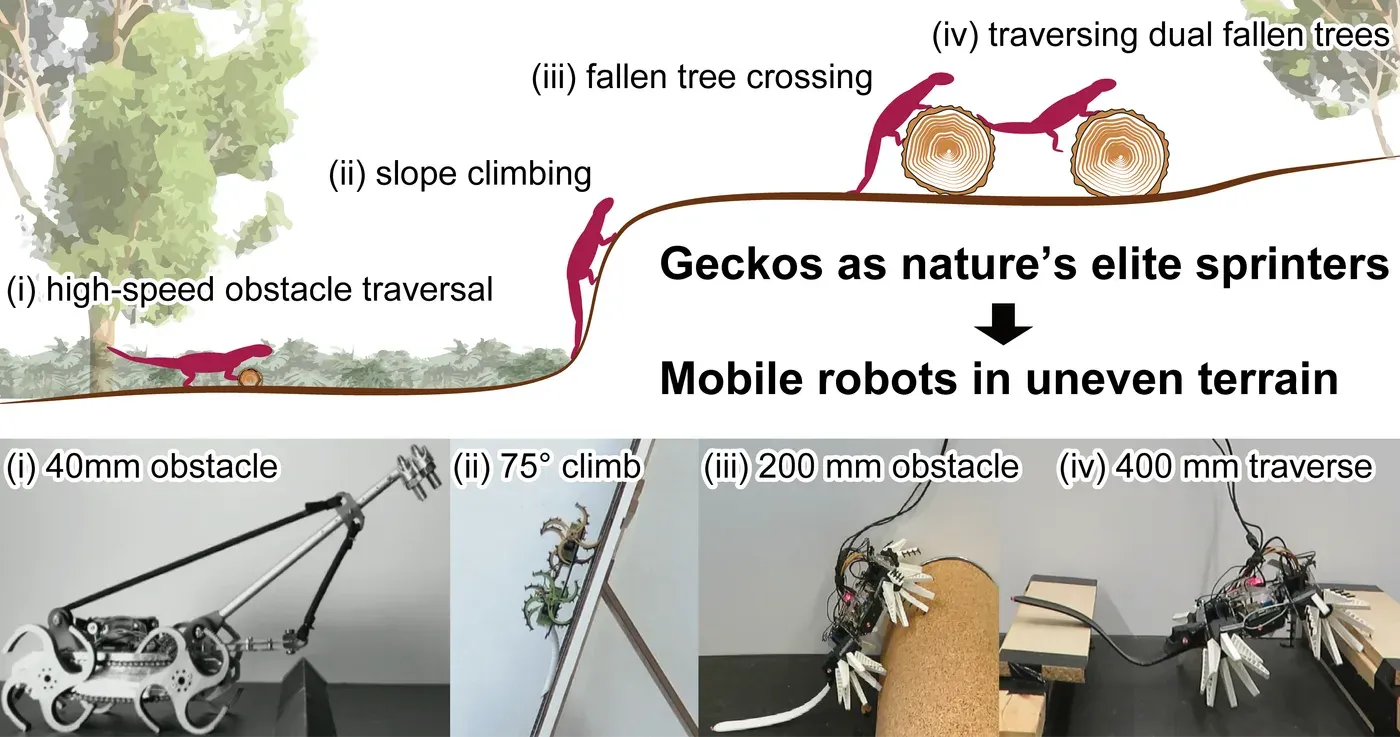
Geckos, as nature's elite sprinters, inspire mobile robots on uneven terrain.
Geckos robots inspired from a nature's elite sprinter.
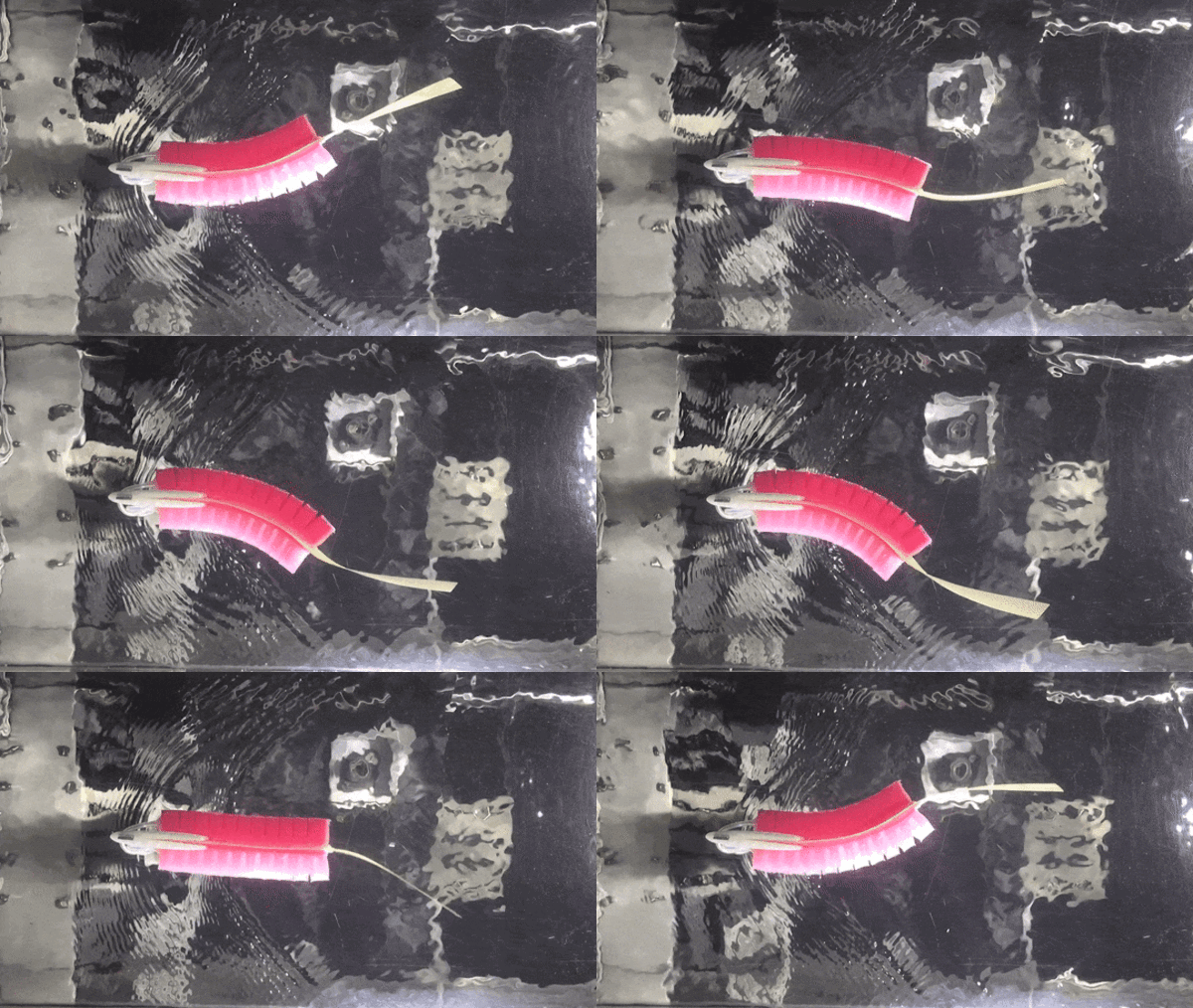
Soft robotic fish: real-time tail-beat control using eGaIn strain sensing and a lightweight-data-driven model.
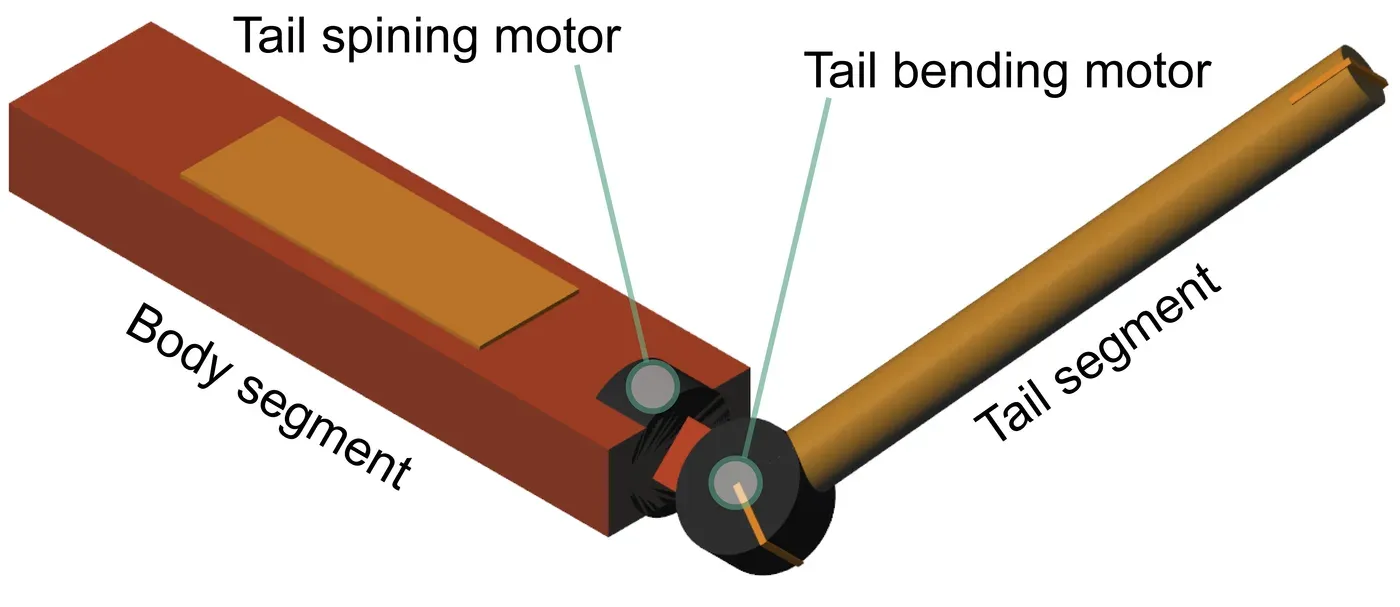
Squirrels reorient their bodies in the air with the movement of their tails.
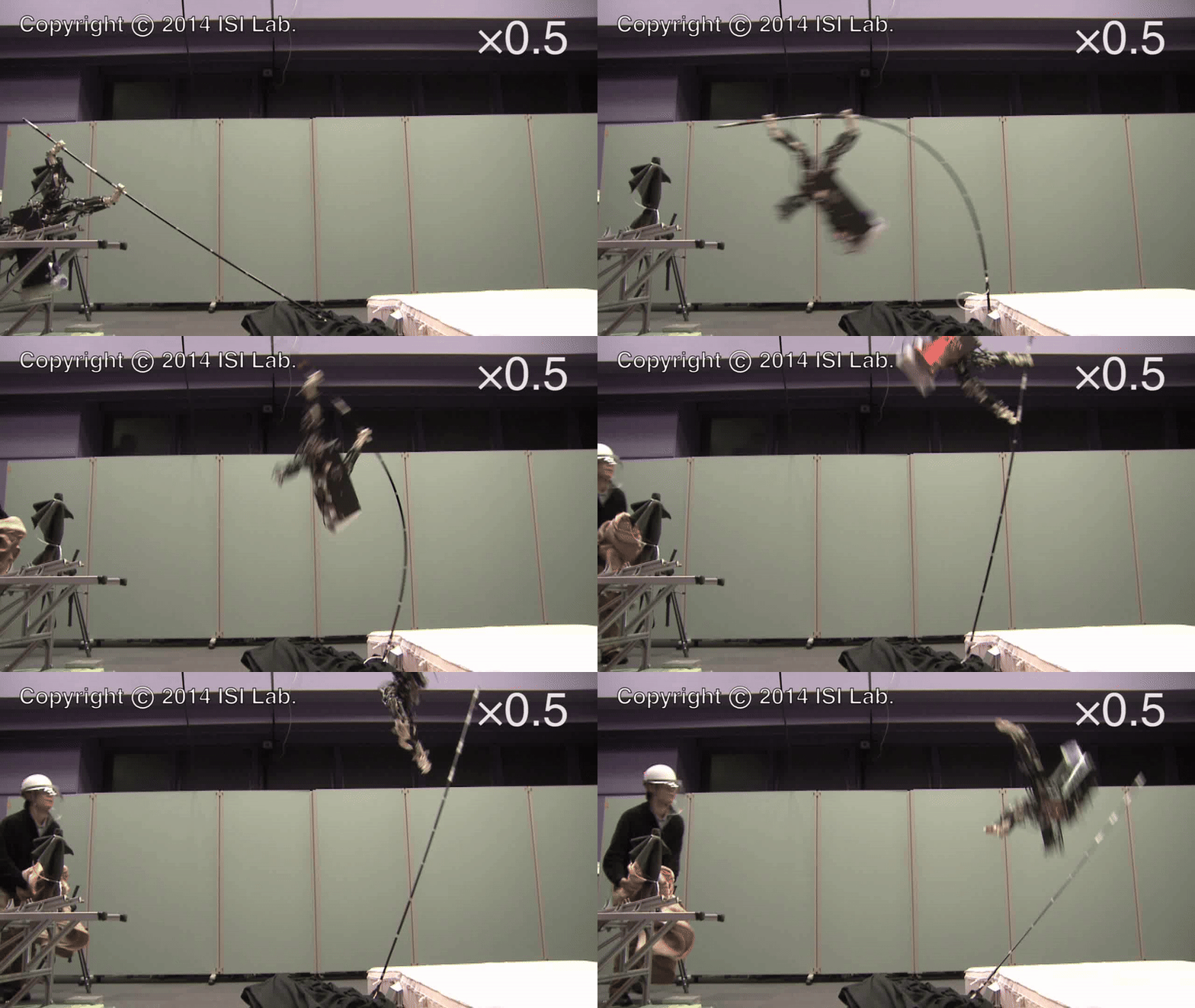
A dual hand robot achieves pole vaulting to jump 1.67m.
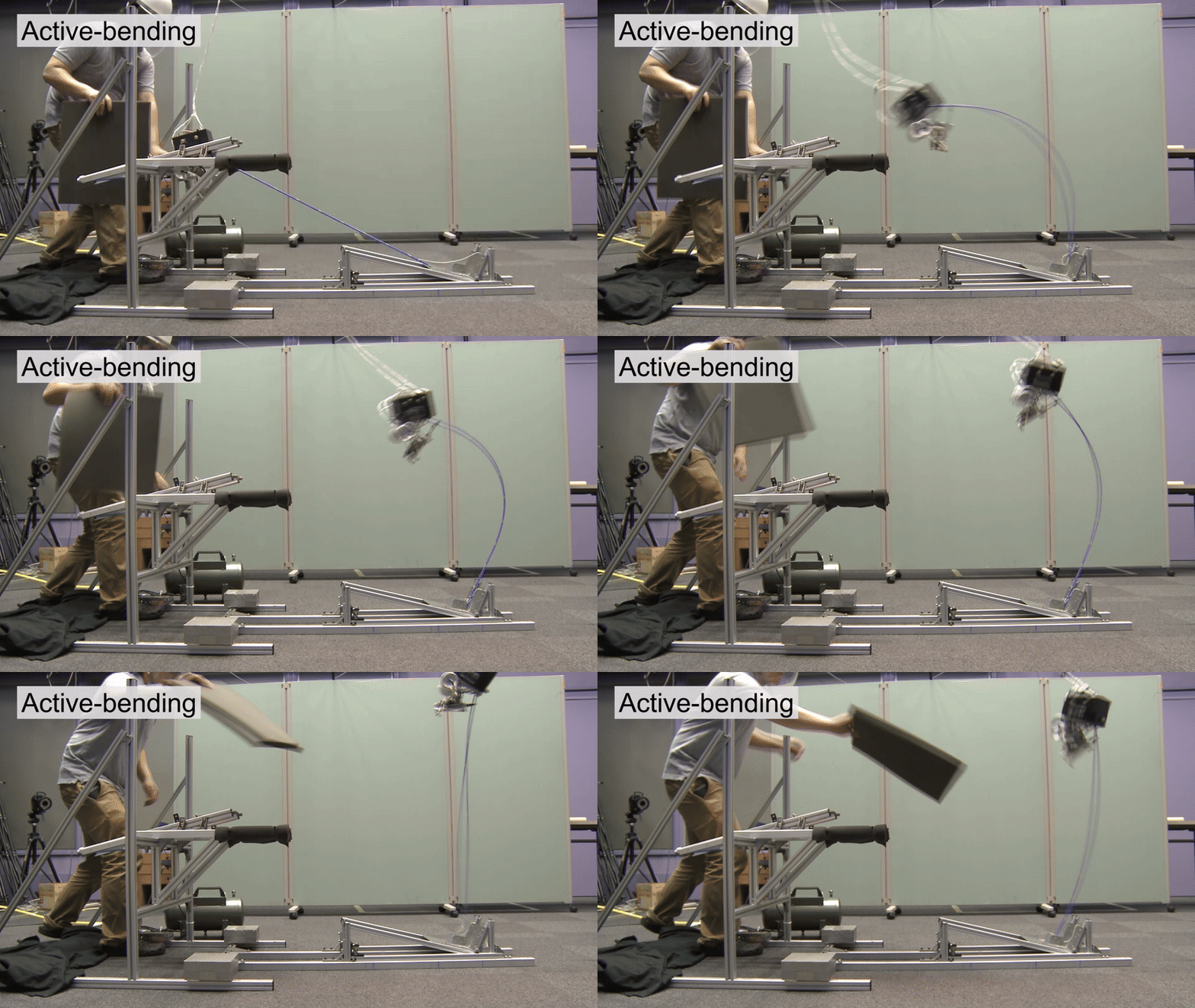
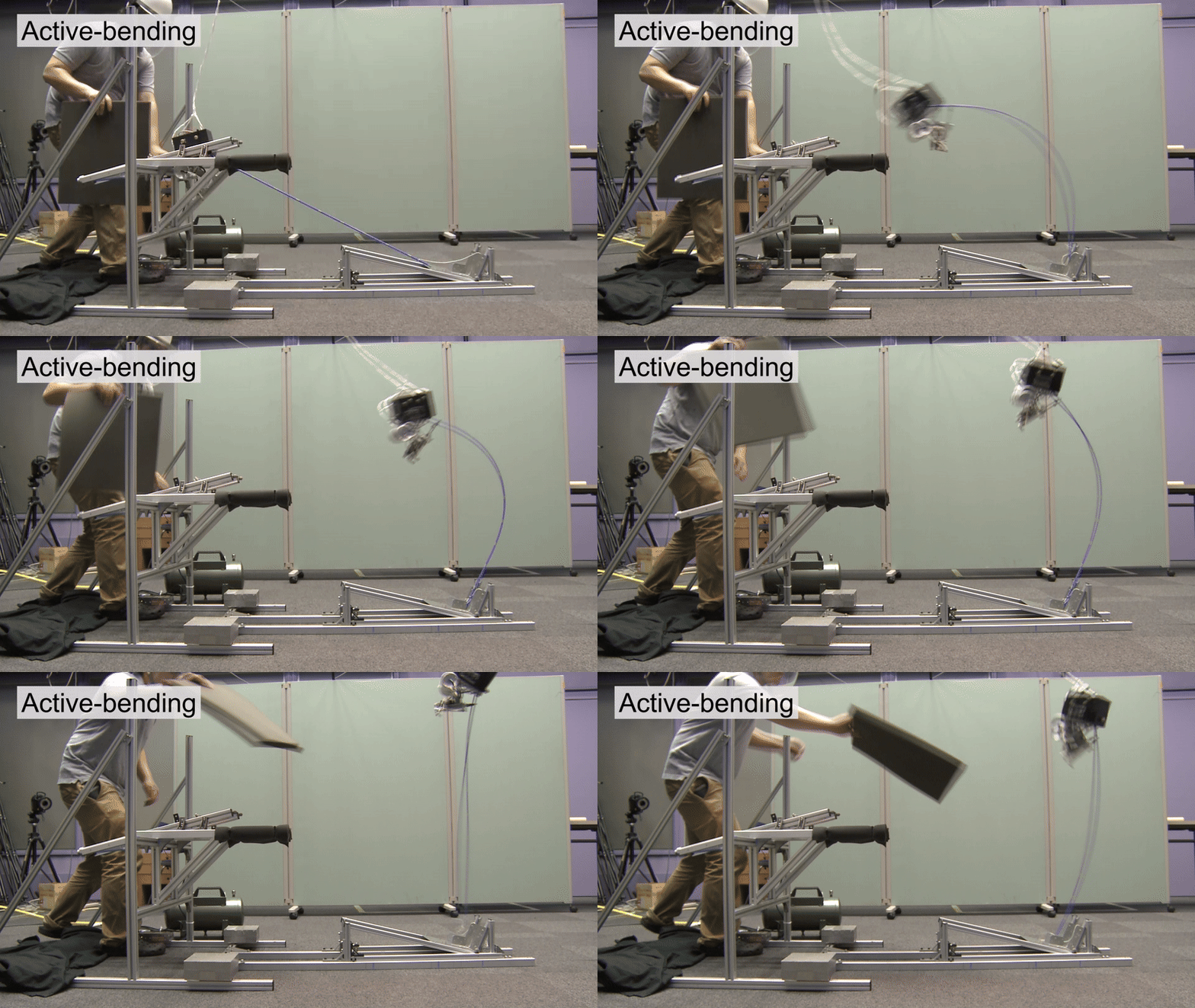
Robotic active bending motion during pole support phase improves reachable height of the robot.
Sports Biomechanics from the Perspective of Robotics
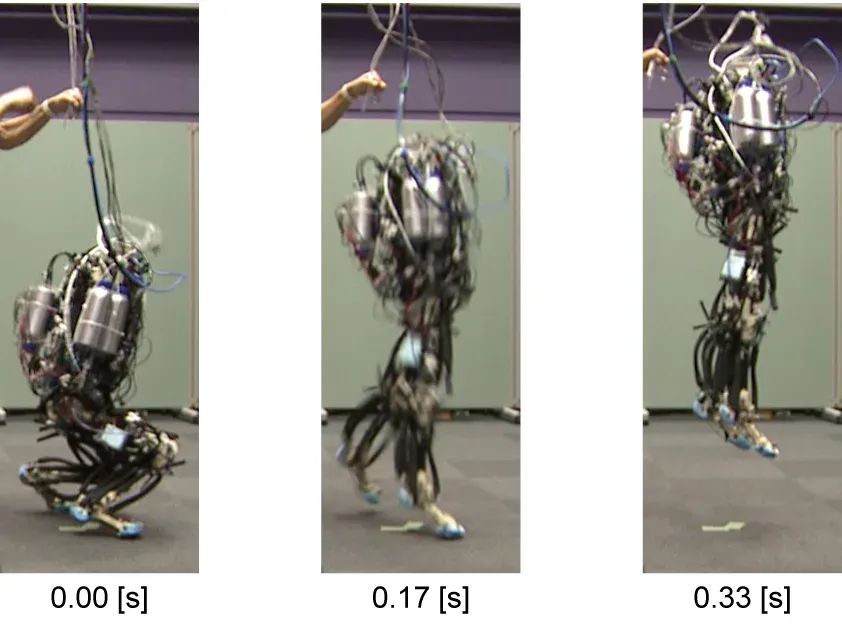
Angle-dependent moment arm (ADMA) extends the range of possible jumping postures for musculoskeletal robots.
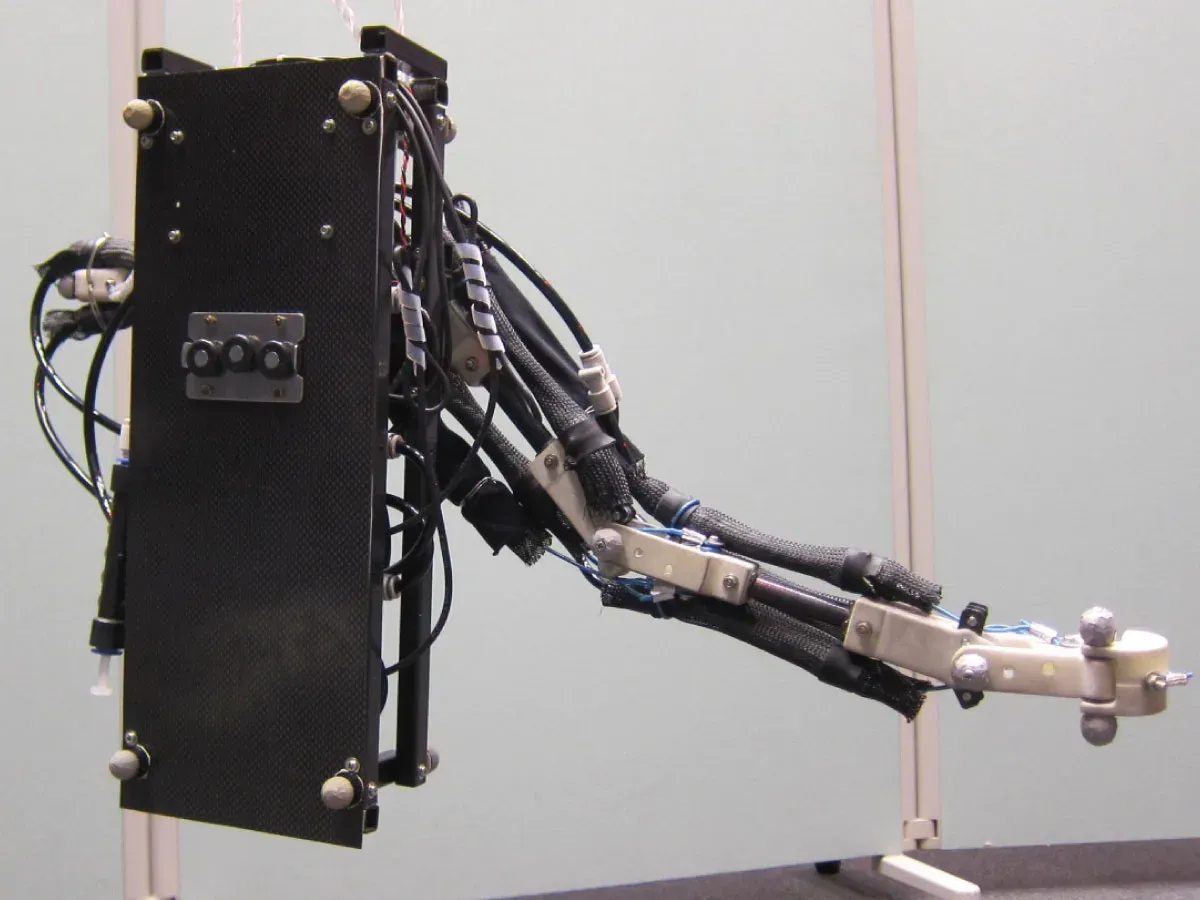
The swing-up motion in pole vaulting inertially generates bending moment on the pole.