
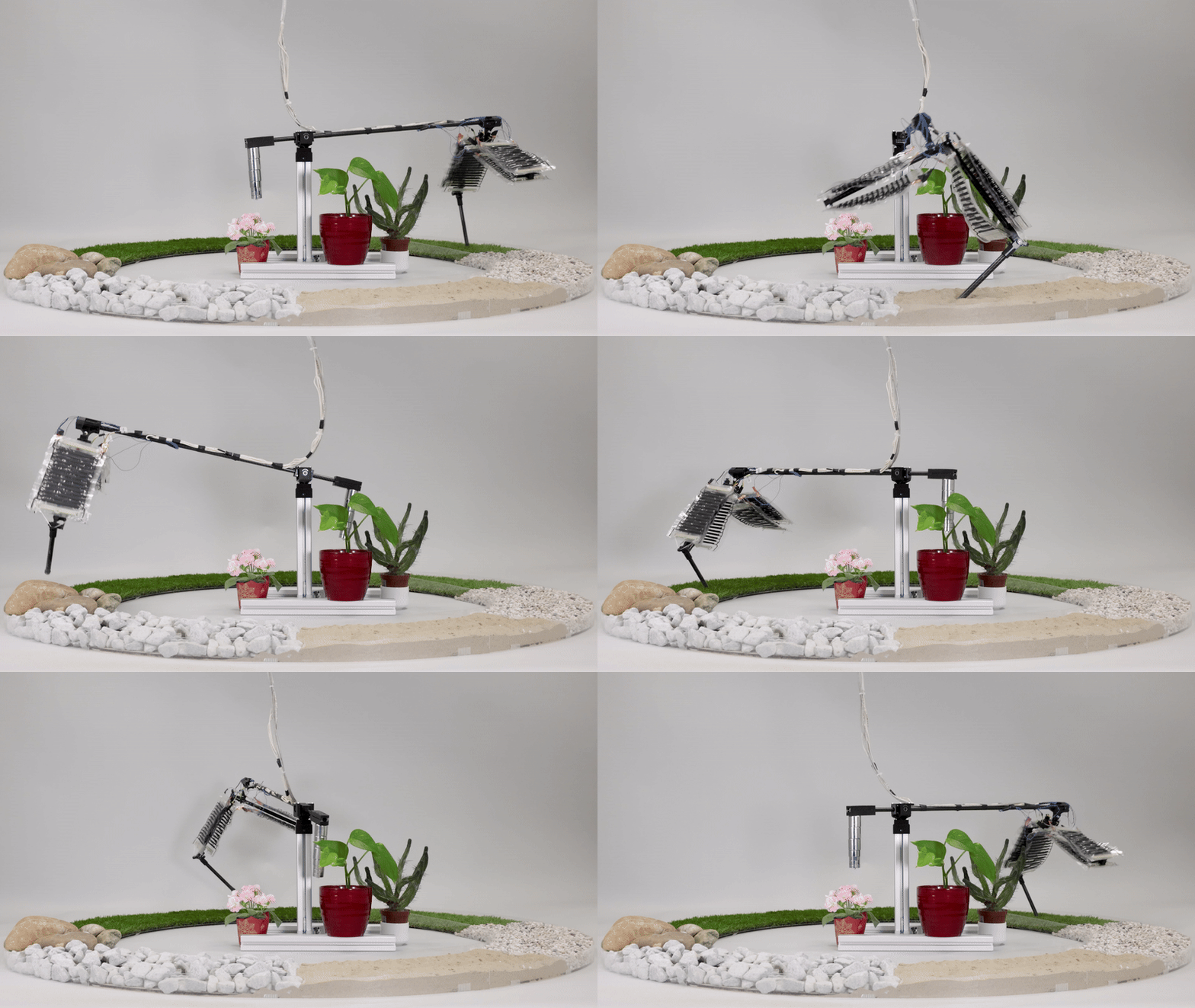
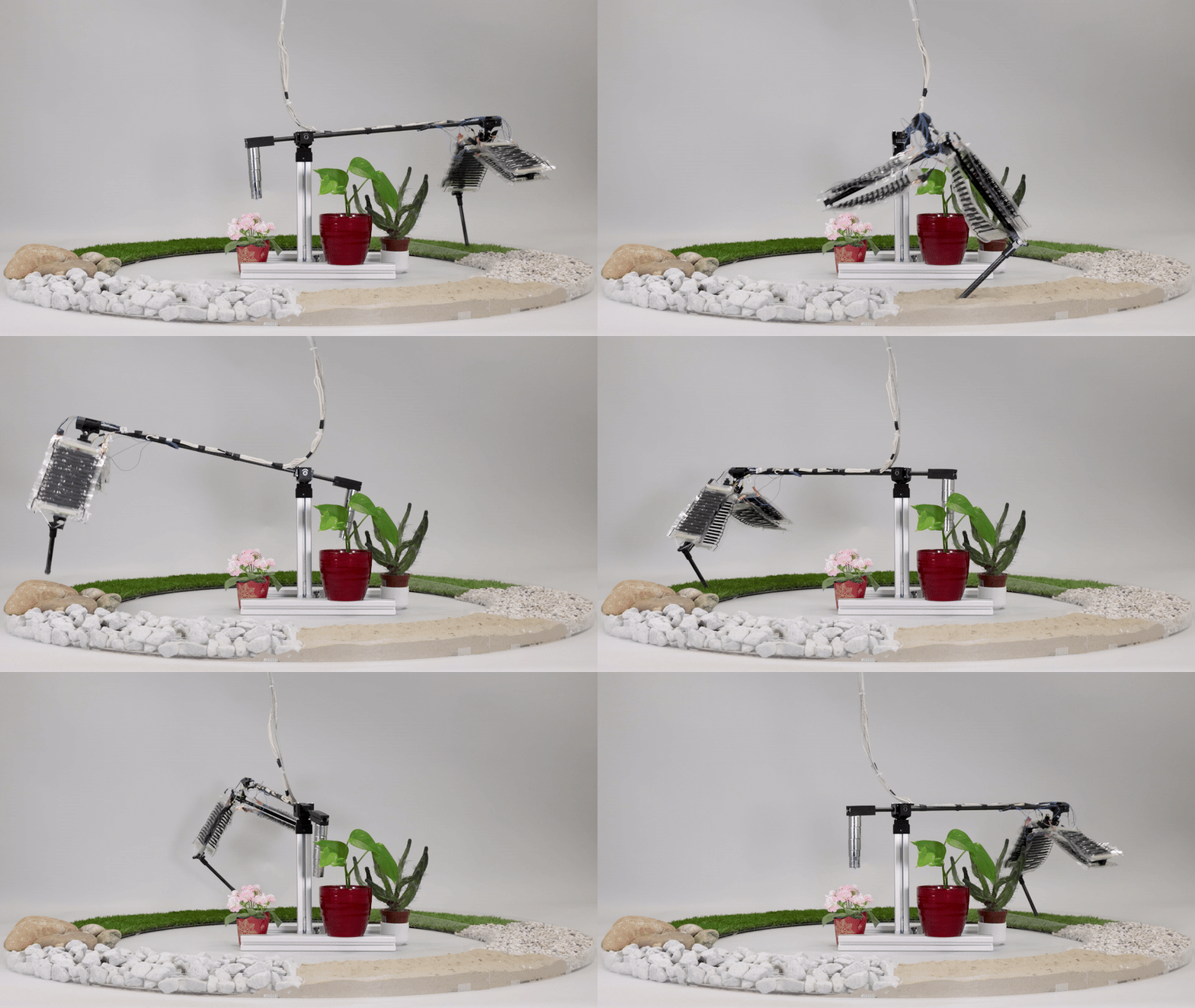
🦘 PELE: A musculoskeletal robotic leg powered by HASELs
A robotic leg powered by electrohydraulic artificial muscles achieves agile, adaptive, yet energy-efficient locomotion.

Toshihiko Fukushima (福島 俊彦 in Japanese 🇯🇵) is a senior researcher at the OMRON SINIC X Corporation. He has a background in robotics and automotive engineering. His current areas of interest are bio-inspired robotics, dynamic locomotion, and soft robotics.
He received his Bachelor’s degree in Engineering from Toyota Technological Institute in 2012 and his Master’s degree in Interdisciplinary Information Studies from The University of Tokyo in 2014. He then worked as an automotive engineer at Toyota Motor Corporation, Toyota Motorsport GmbH, and NTN Walzlager (Europa) GmbH. Then, he started his PhD at the Max Planck Institute for Intelligent Systems (MPI-IS) and received his PhD from University of Stuttgart in 2026.
No items match. Choose another category or clear your filters.
A robotic leg powered by electrohydraulic artificial muscles achieves agile, adaptive, yet energy-efficient locomotion.
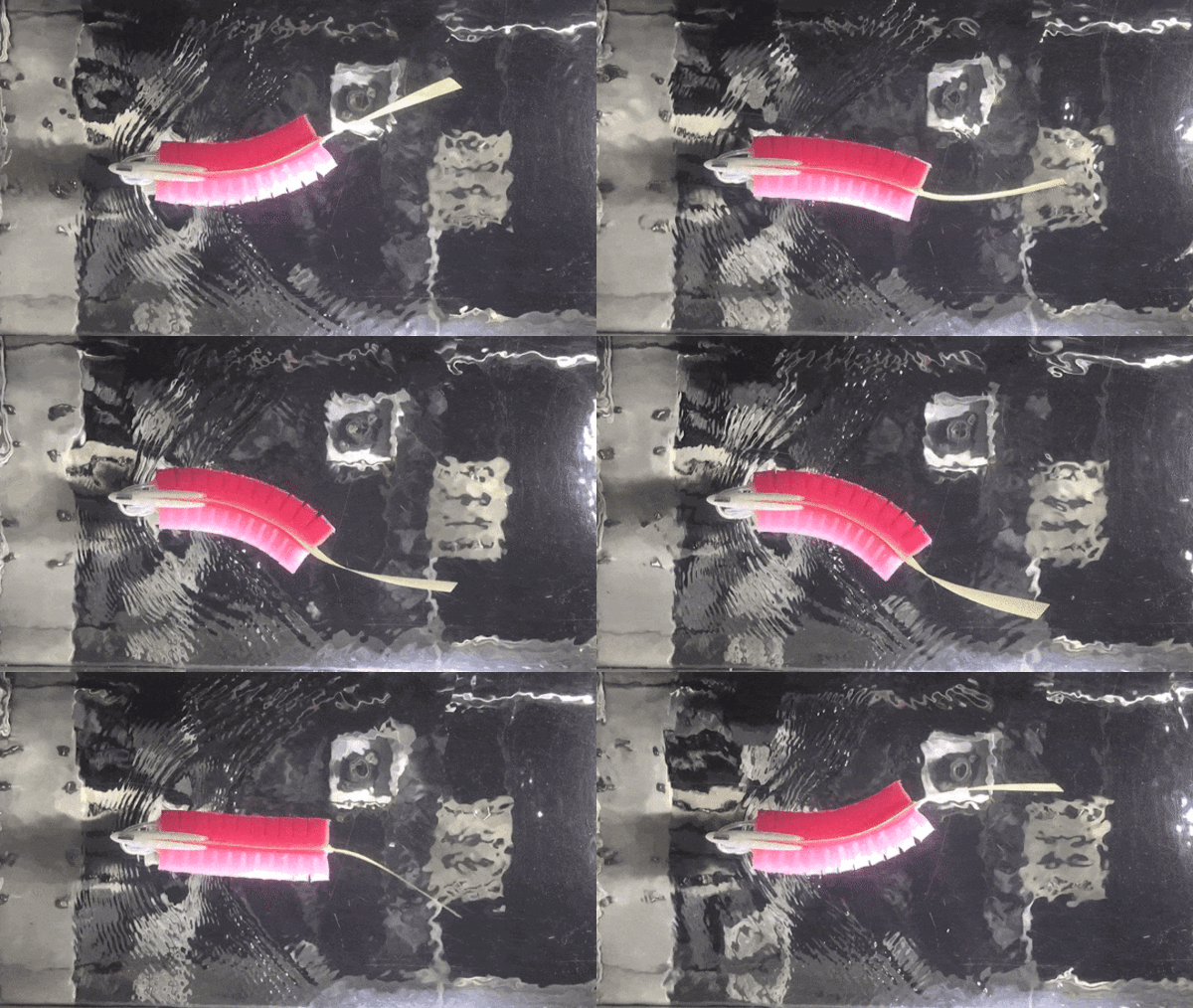
A fish robot as a robotic animal for understanding the biology of muscle activity for swimming locomotion
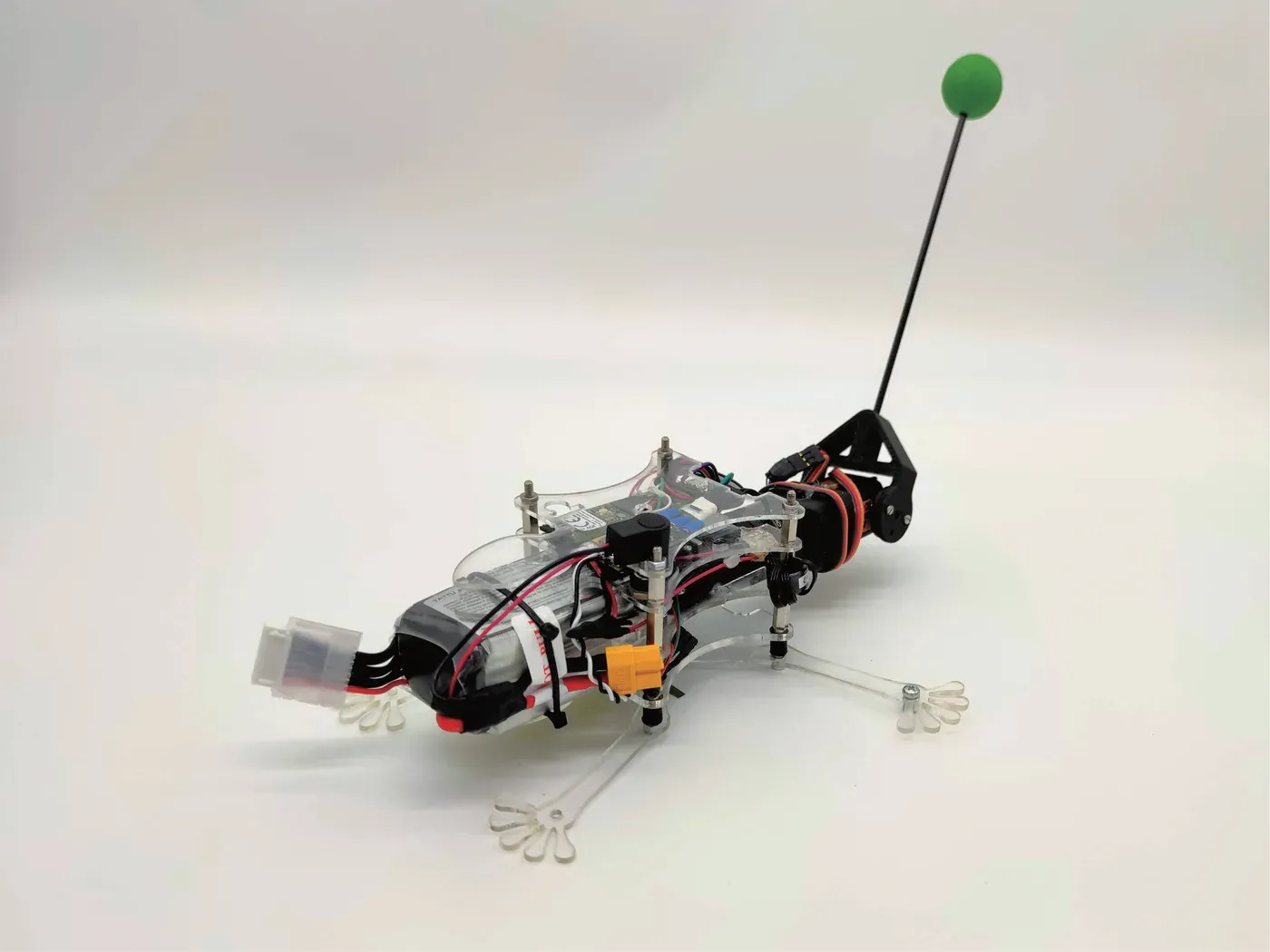
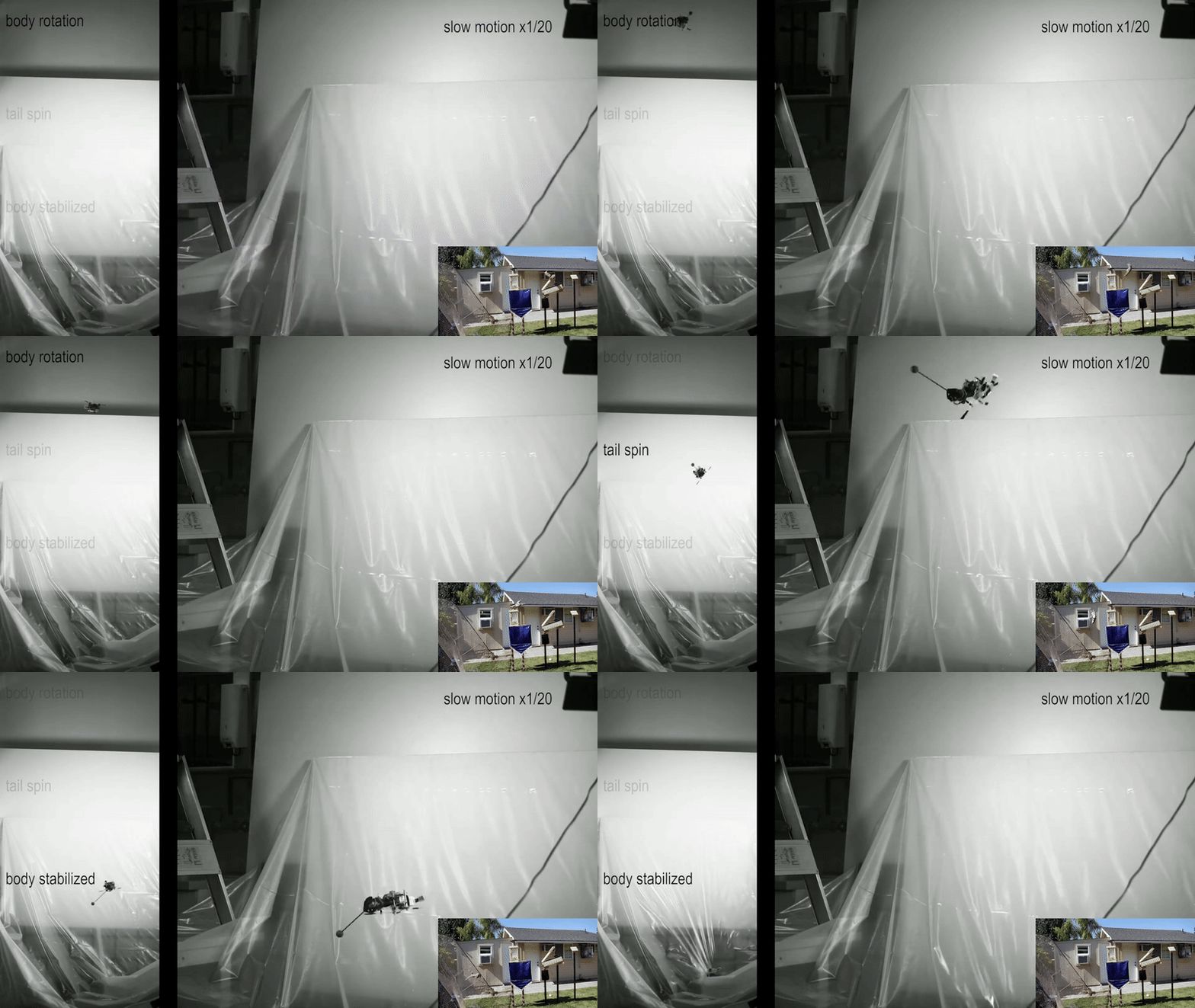
A squirrel robot for studying squirrel's aerial righting ability.
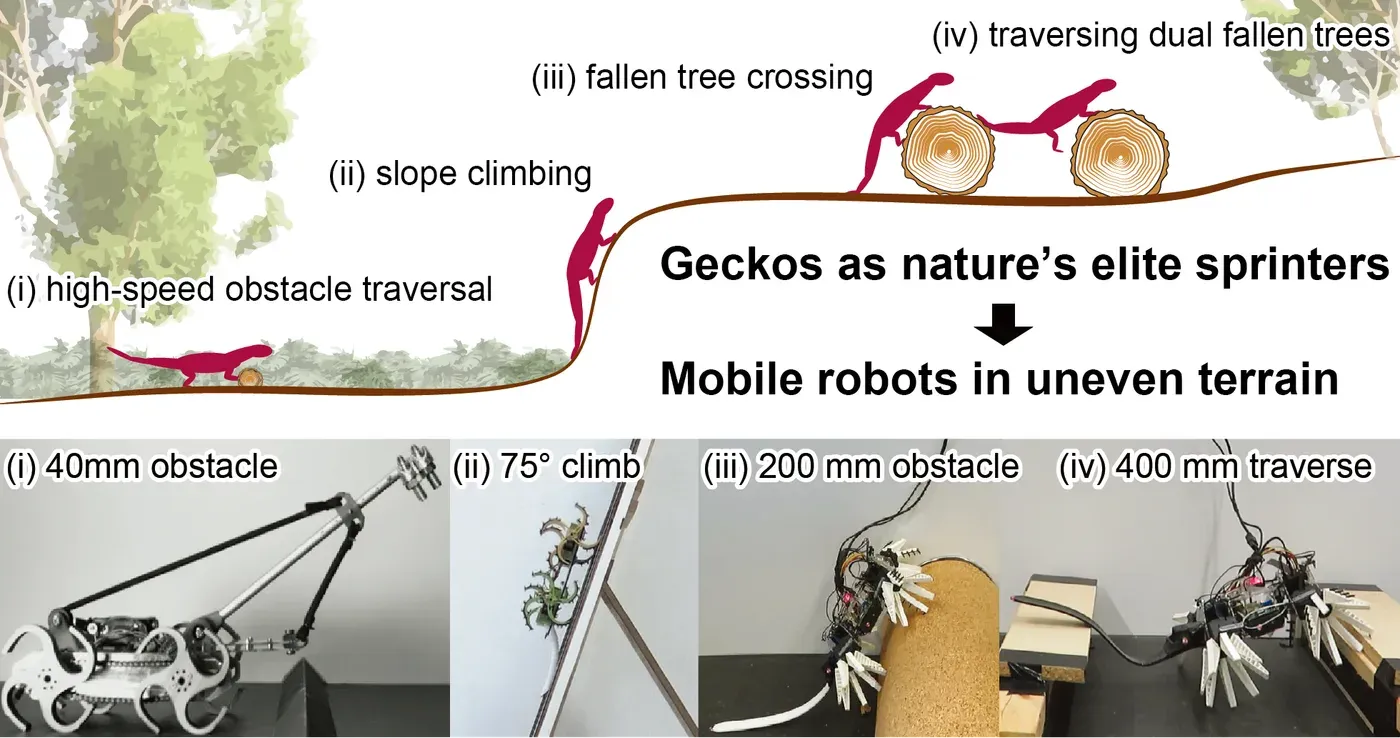
Geckos robots inspired from a nature's elite sprinter.
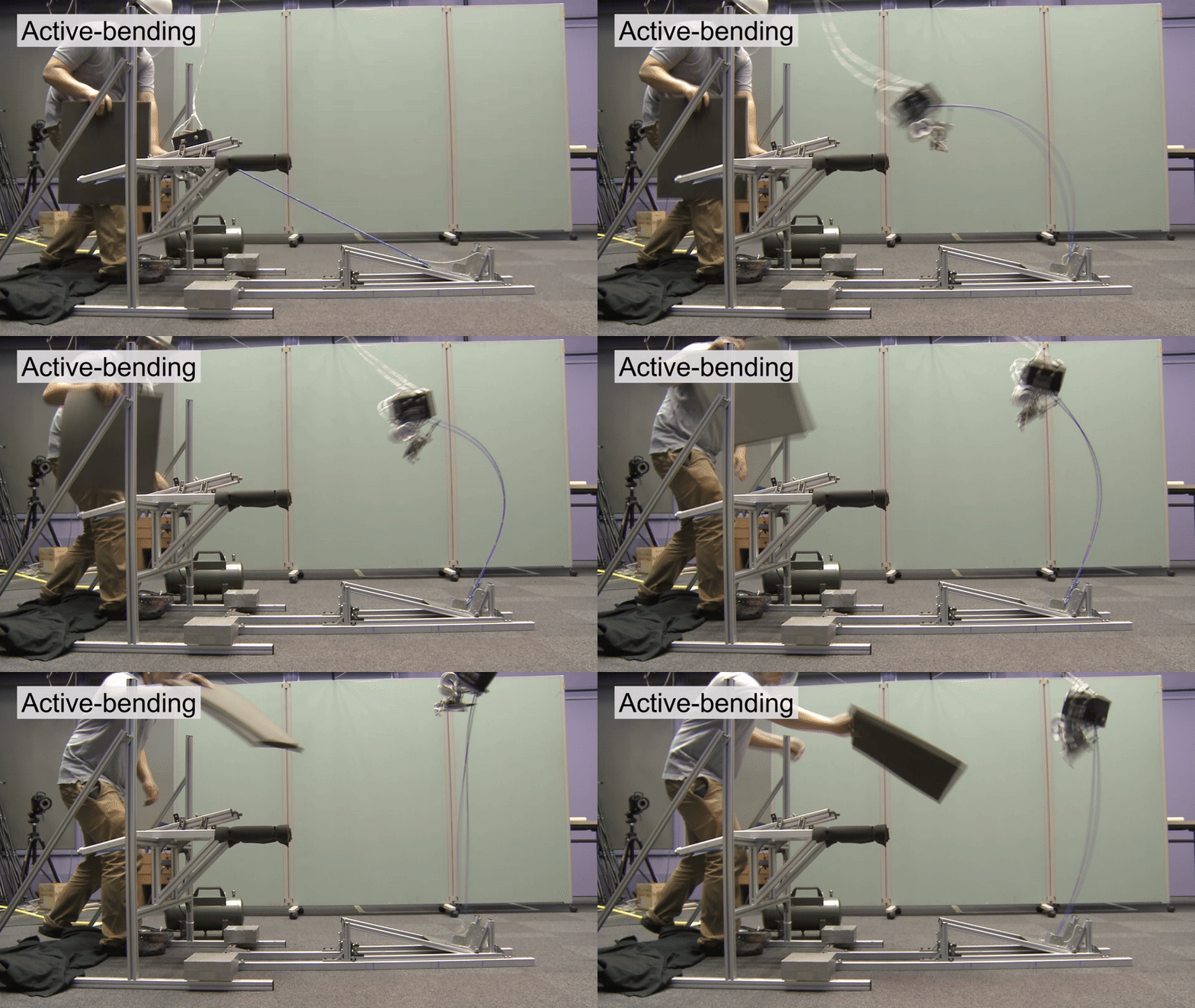
Sports Biomechanics from the Perspective of Robotics
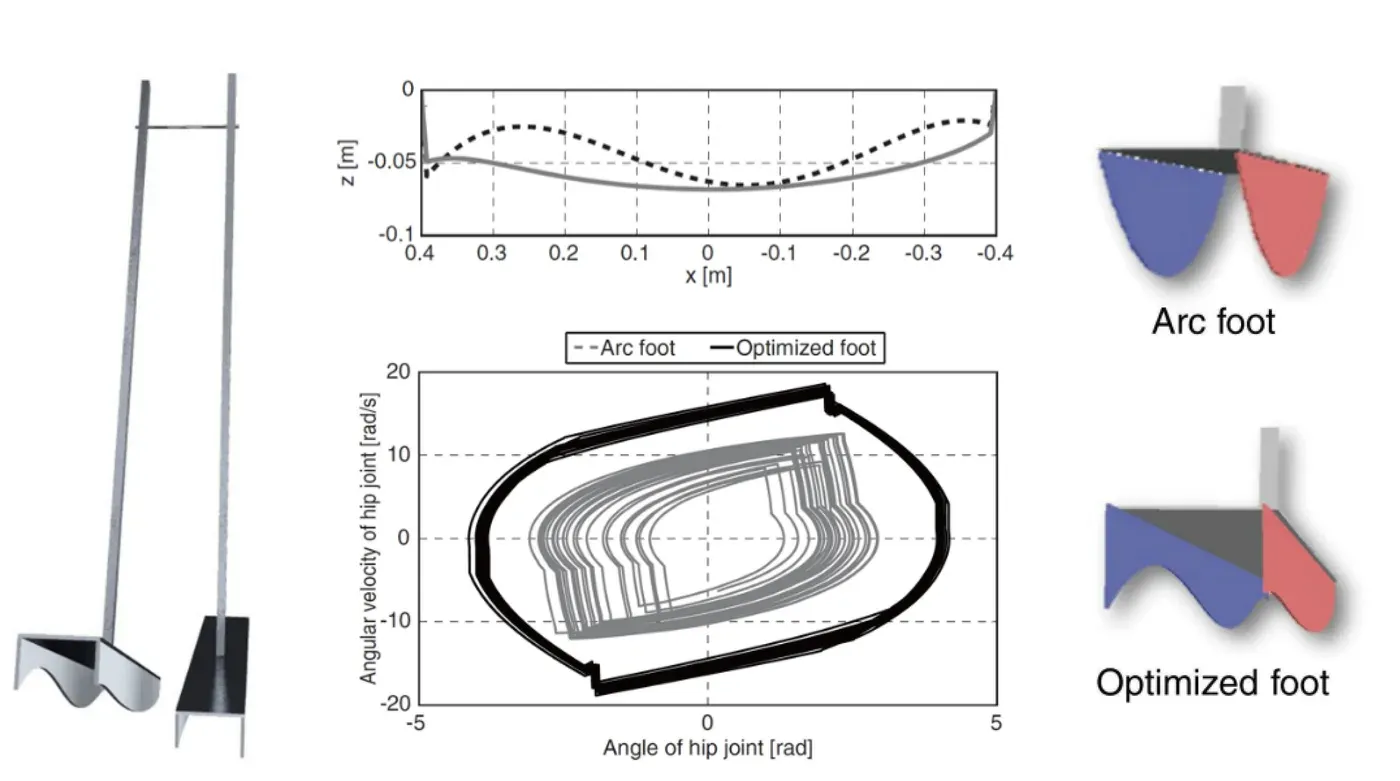
Optimizing foot shape of a passive dynamic walker enables robust walking against changes in slope inclination.
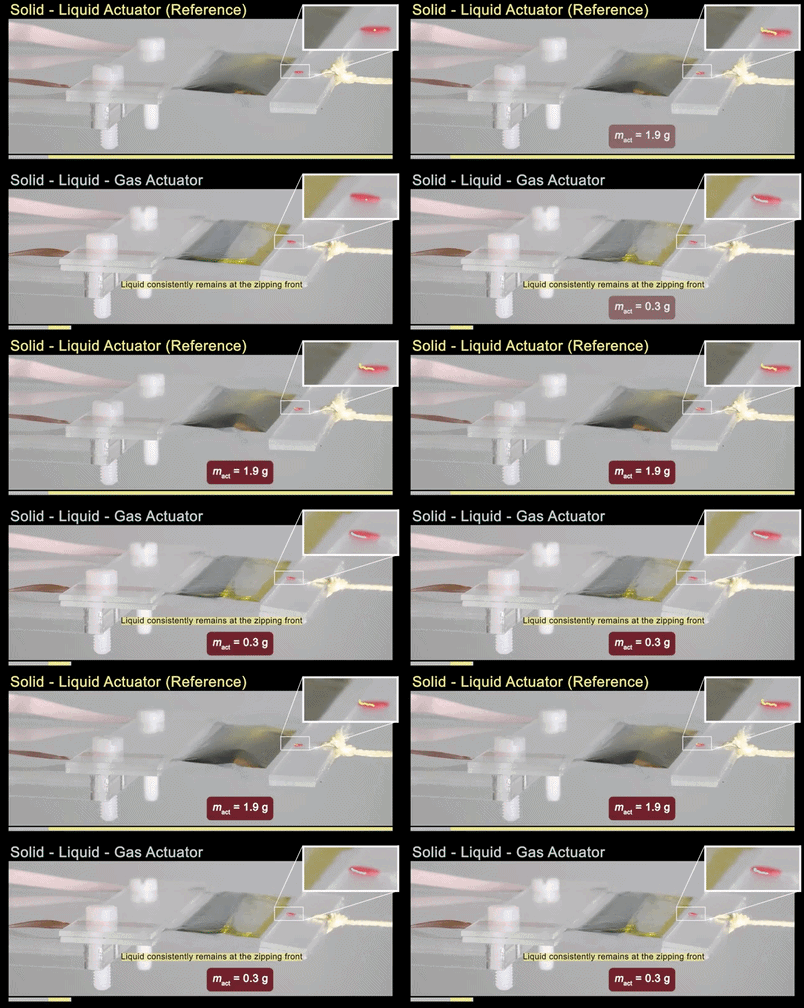
The introduction of the third phase, gaseous dielectrics, into solid-liquid actuators allows for the creation of ultralight soft electrostatic actuators.
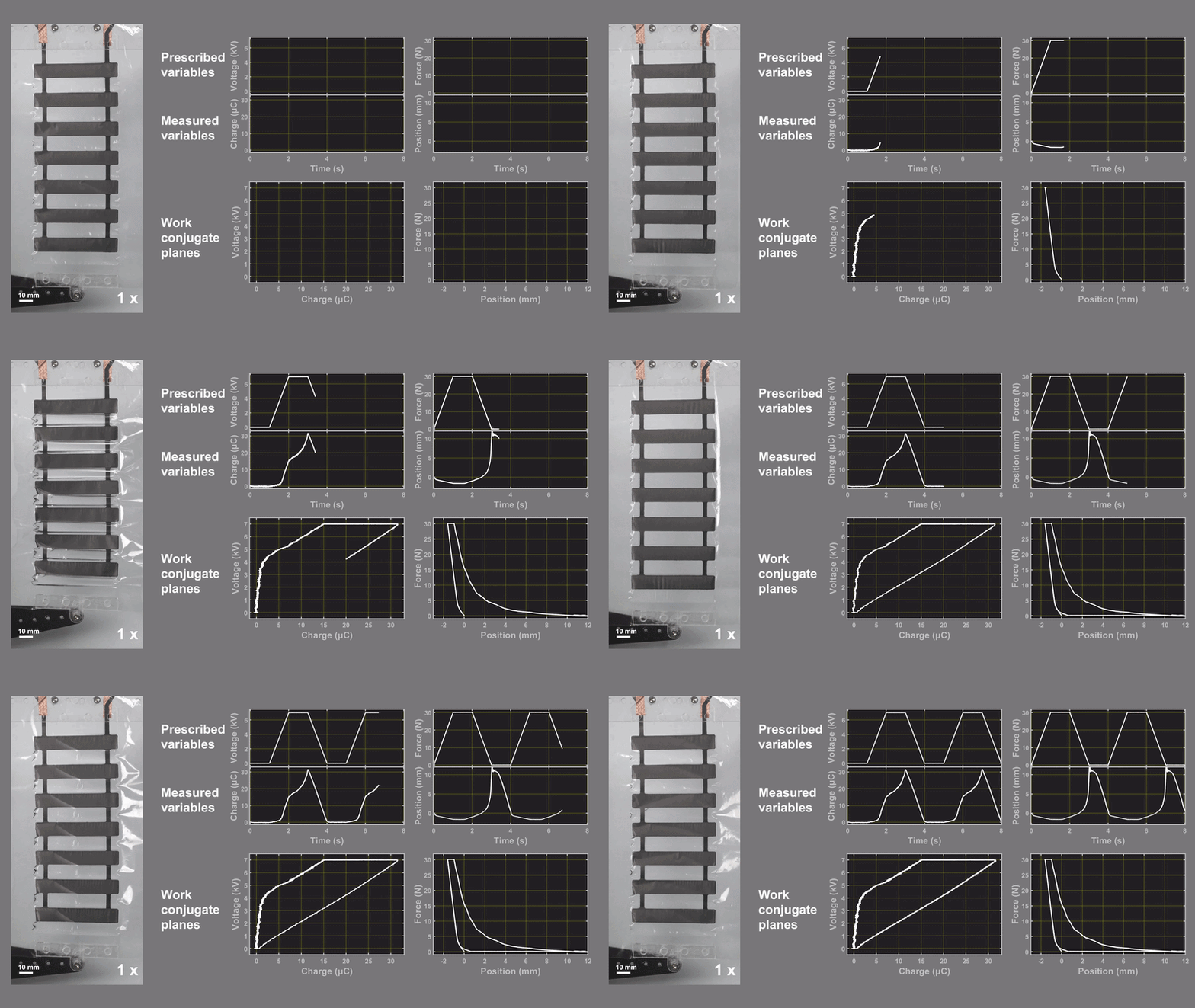
Closed cycles on the work conjugate planes enables study and enhance energy efficiency of soft electrostatic actuators.
Soft electrohydraulic artificial muscles enable robotic legs for agile, adaptive, yet energy-efficient locomotion.
Integrative and Comparative Biology
Squirrel’s very light tail (just 3% of body mass) can inertially stabilize their body from unexpected falls.
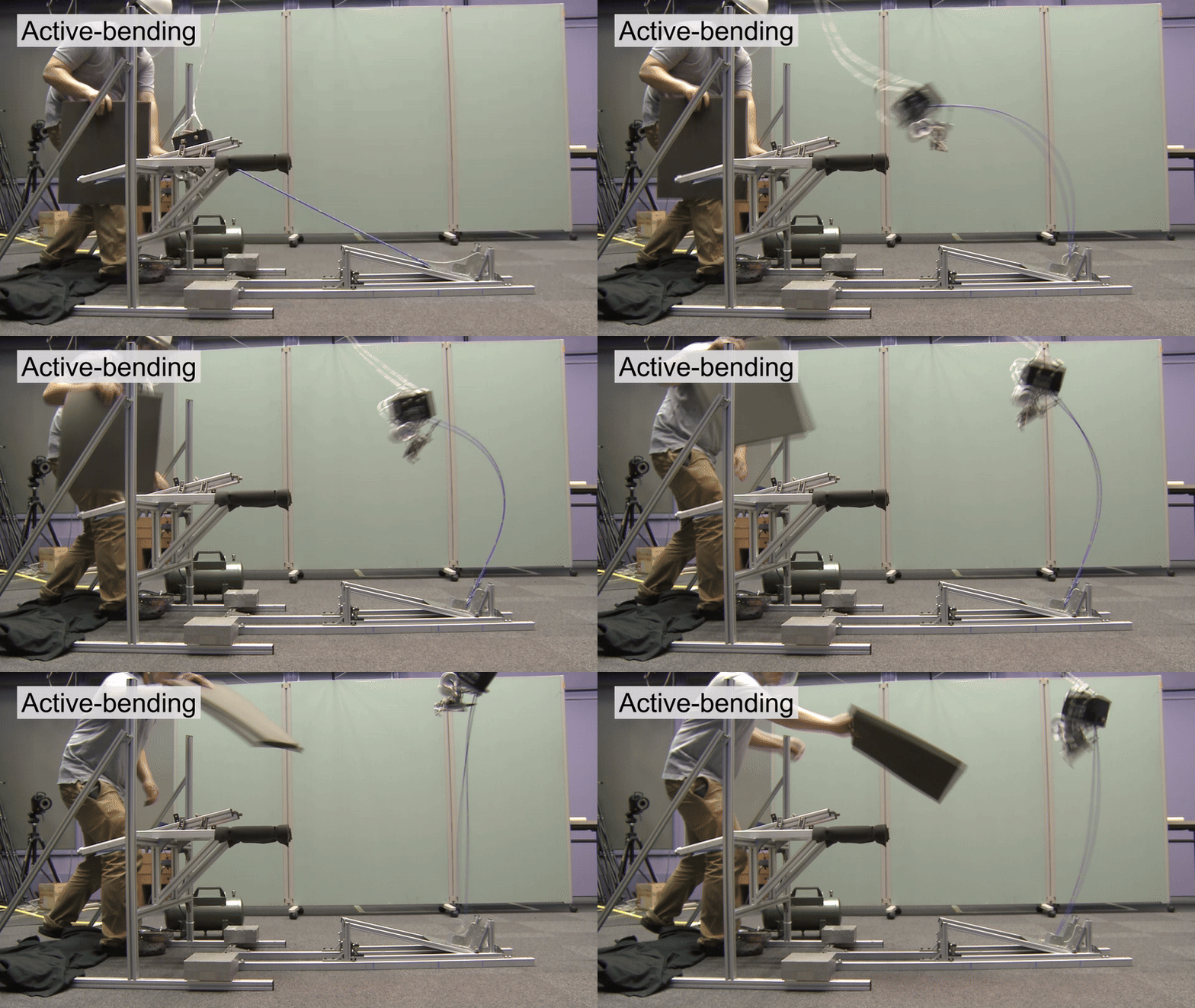
Robotic active bending motion during pole support phase improves reachable height of the robot.
No items match. Choose another category or clear your filters.
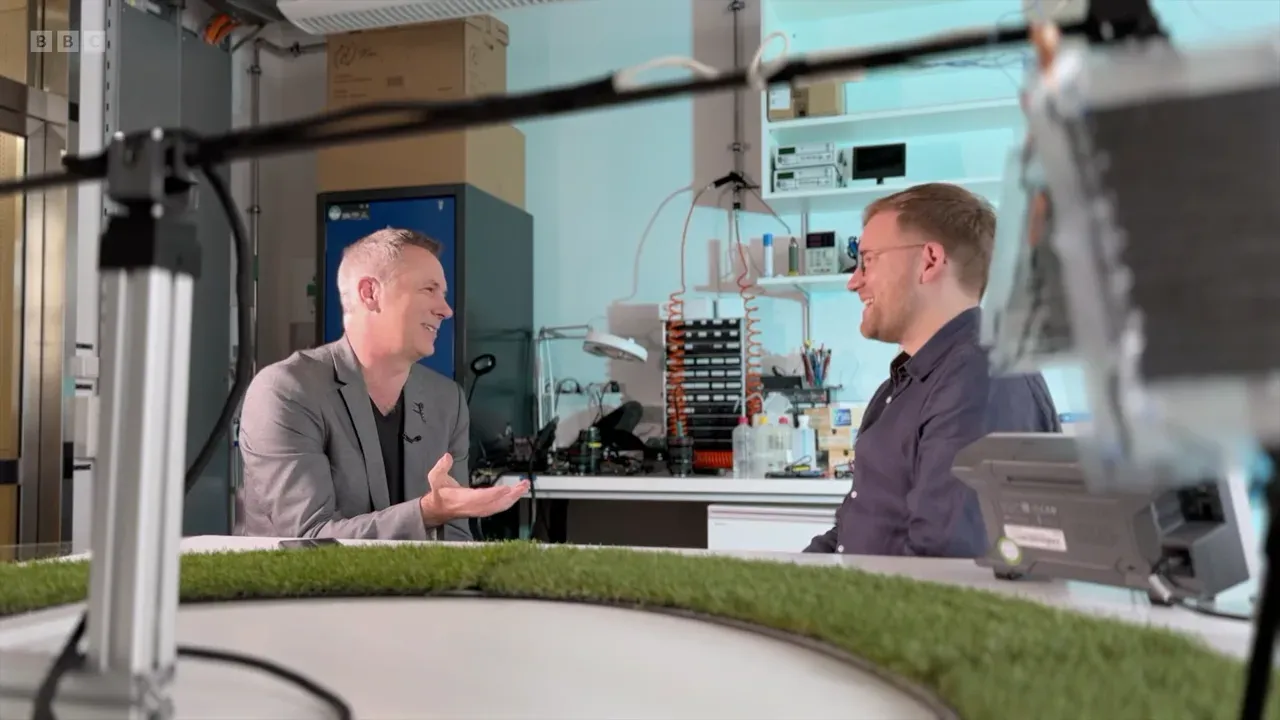
Click: Science program 🇬🇧
Unter Spannung: Künstliche Muskeln mobilisieren Roboter 🇩🇪

Research highlights 2024
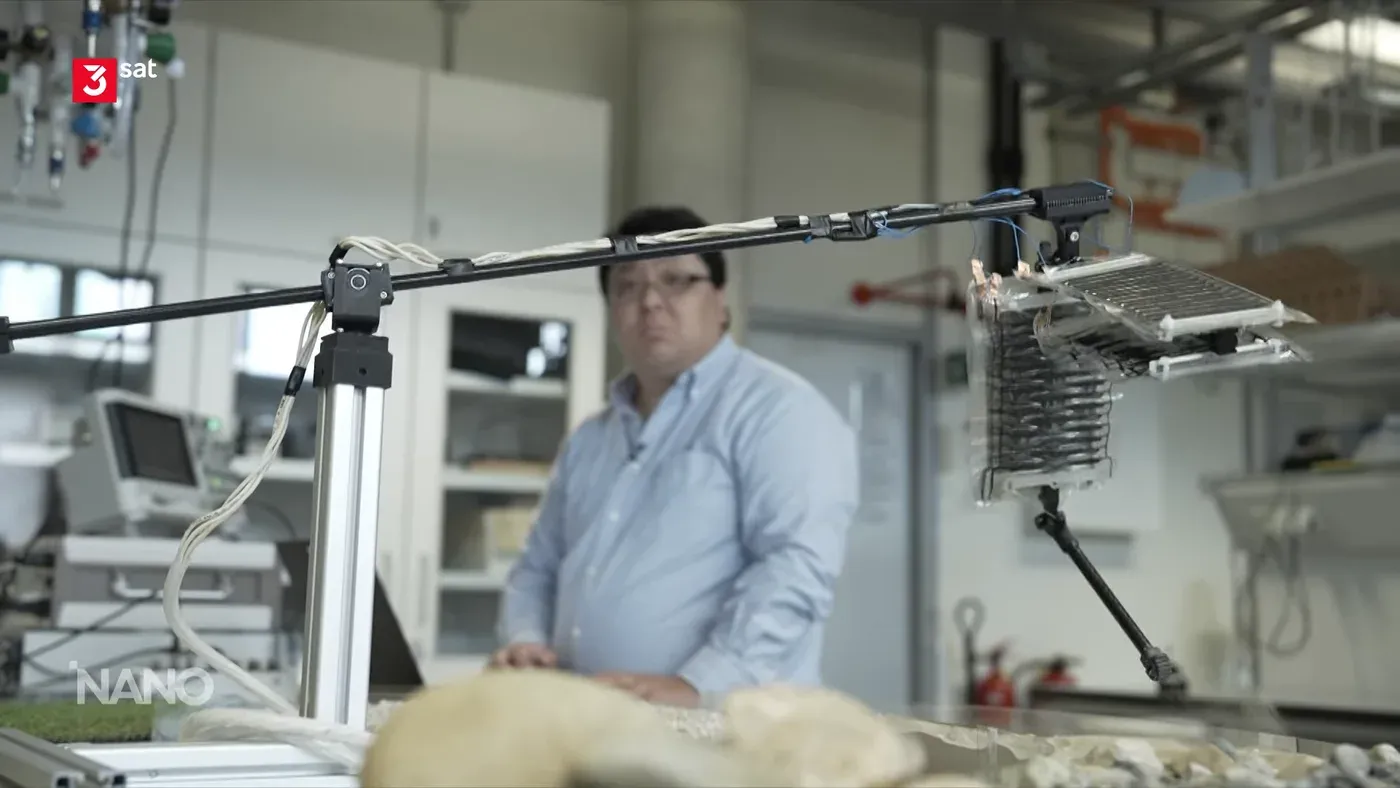
Nano: Science program 🇩🇪 🇦🇹 🇨🇭
Forschende entwickeln Roboter mit künstlichen Muskeln 🇩🇪
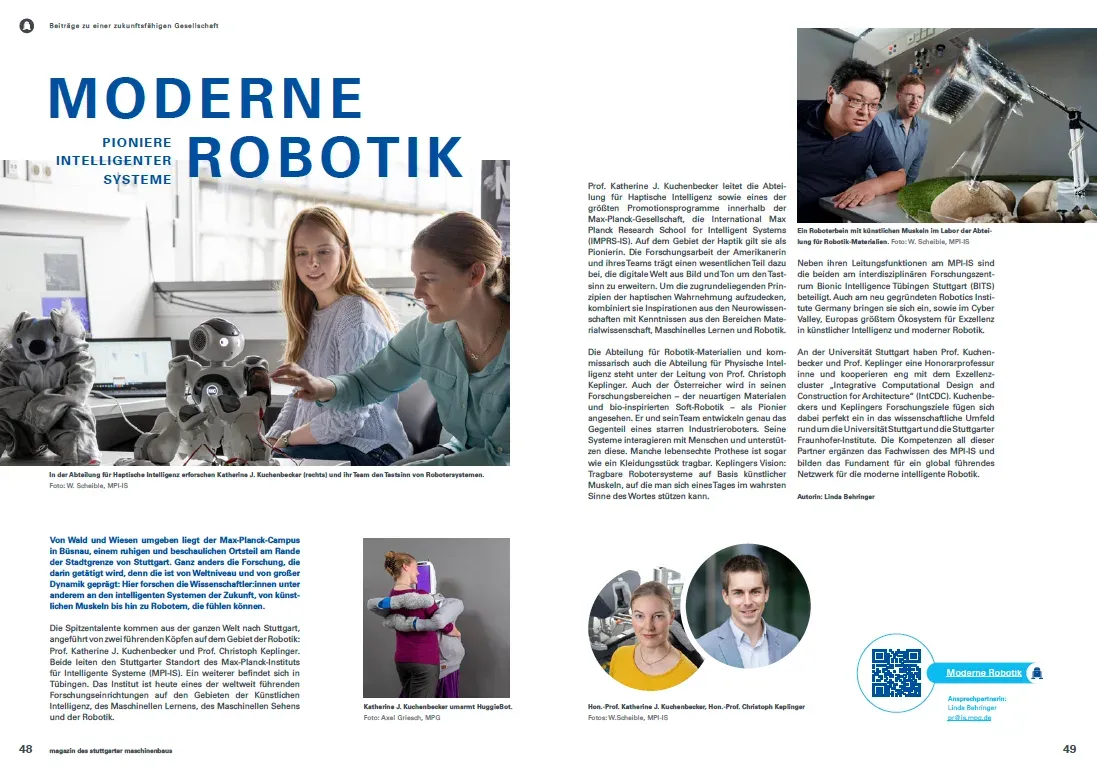
Moderne robotik 🇩🇪

SWR Aktuell: Evening news 🇩🇪

What if robots had artificial muscles? 🇬🇧

YTN24: Evening news 🇰🇷

두발 로봇에 '인공근육' 달아 13㎝ 뛰어올랐다 🇰🇷

นักวิจัยพัฒนา “กล้ามเนื้อเทียม” ช่วยให้หุ่นยนต์เดินและกระโดดได้ 🇹🇭

新型“肌肉”驱动机器腿能走会跳 🇨🇳

Editors’ Highlights
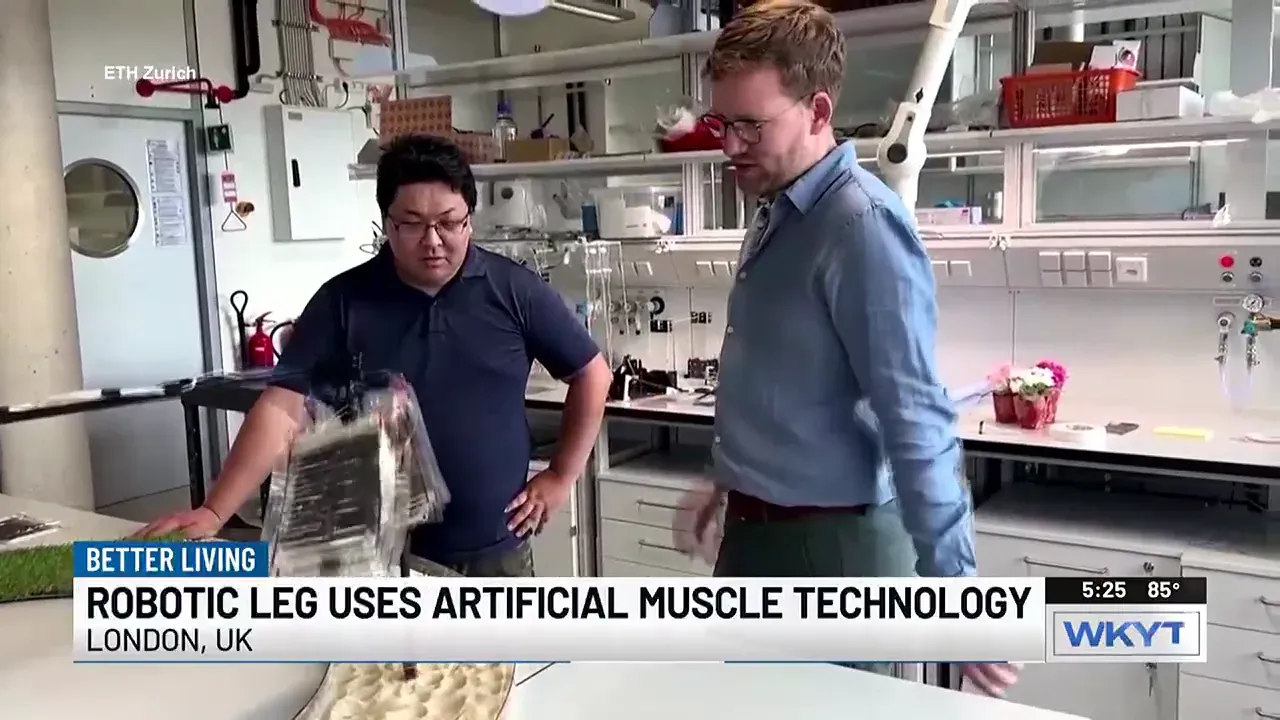
Better Living: Morning news 🇺🇸

Roboty zyskały mięśnie. Ten przełom ma daleko idące skutki 🇵🇱

TNN Tech REPORTS: Tech. program 🇹🇭
Investigadores crean la primera pierna robótica con “músculos artificiales” 🇪🇸
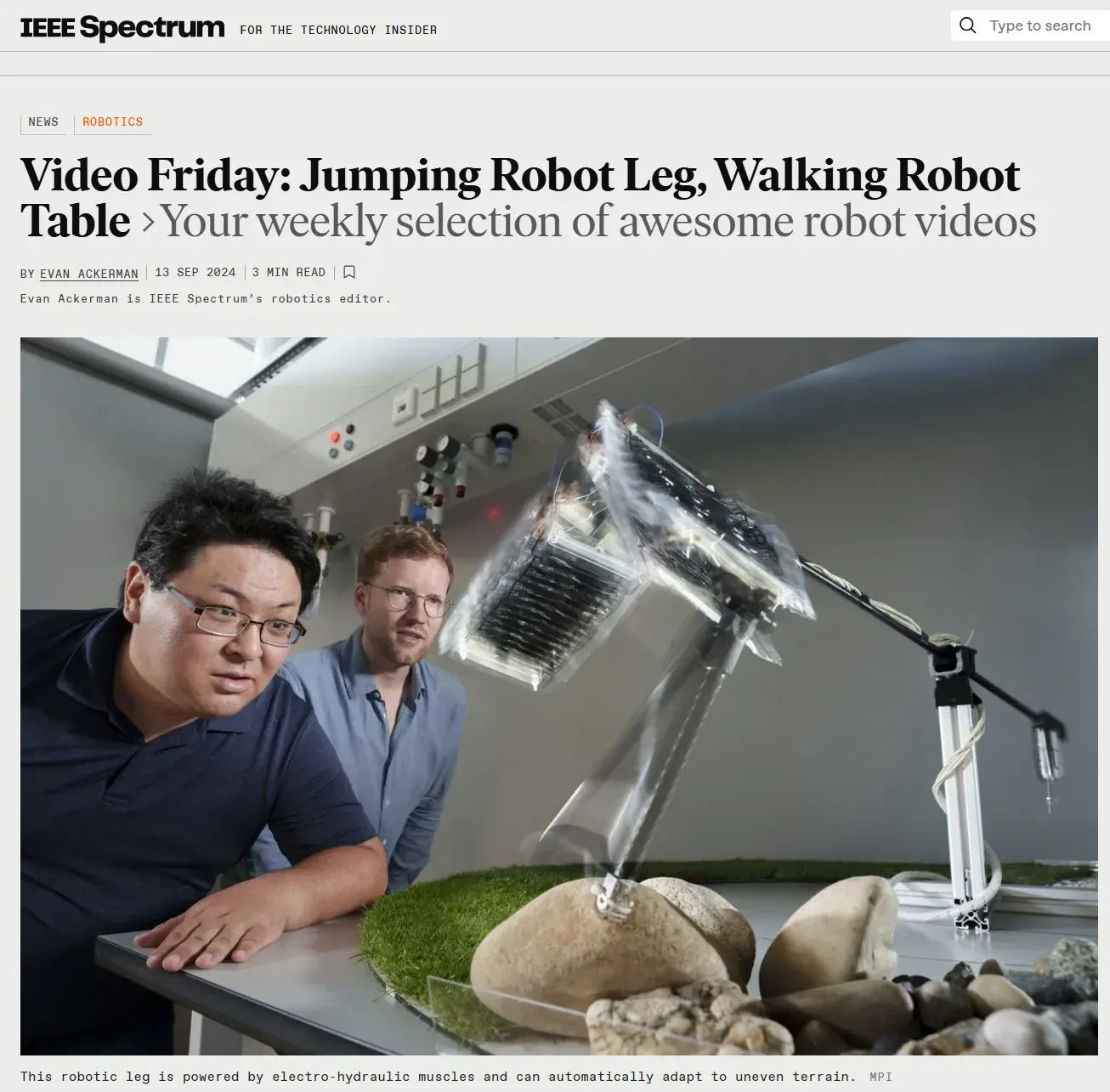
Video Friday

科技新突破丨告别传统马达?全新“人造肌肉”驱动机器人行走和跳跃 🇨🇳

First robot leg with ‘artificial muscles’ jumps nimbly 🇫🇷
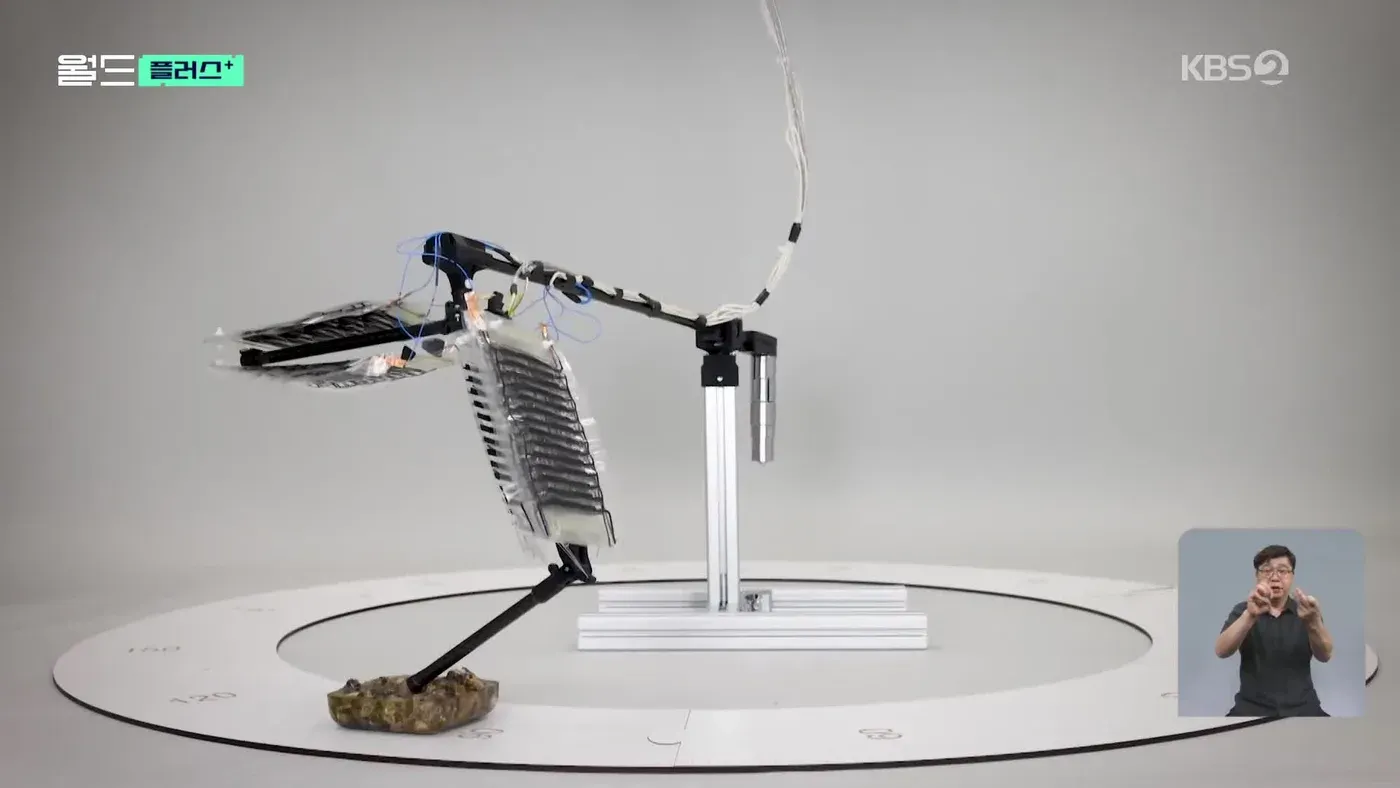
월드24: Evening news 🇰🇷
First robot leg with ‘artificial muscles’ jumps nimbly: study 🇨🇦
First robot leg with 'artificial muscles' jumps nimbly: study” 🇮🇳
Artificial muscle could replace electric motors in robots 🇩🇪
First Robot Leg With ‘Artificial Muscles’ Can Jump, Researchers Say 🇺🇸

First robot leg with 'artificial muscles' jumps nimbly: Study”