Ultralight soft electrostatic actuators based on solid-liquid-gas architectures
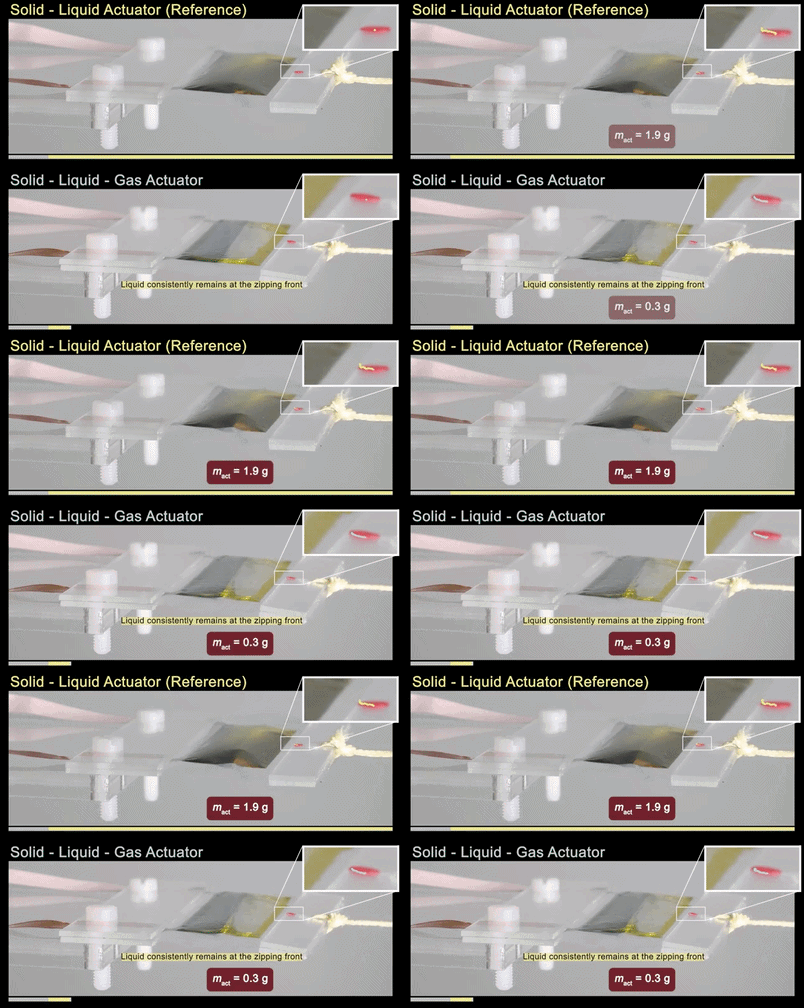
The introduction of the third phase, gaseous dielectrics, into solid-liquid actuators allows for the creation of ultralight soft electrostatic actuators.
publications
No items match. Choose another category or clear your filters.
The introduction of the third phase, gaseous dielectrics, into solid-liquid actuators allows for the creation of ultralight soft electrostatic actuators.
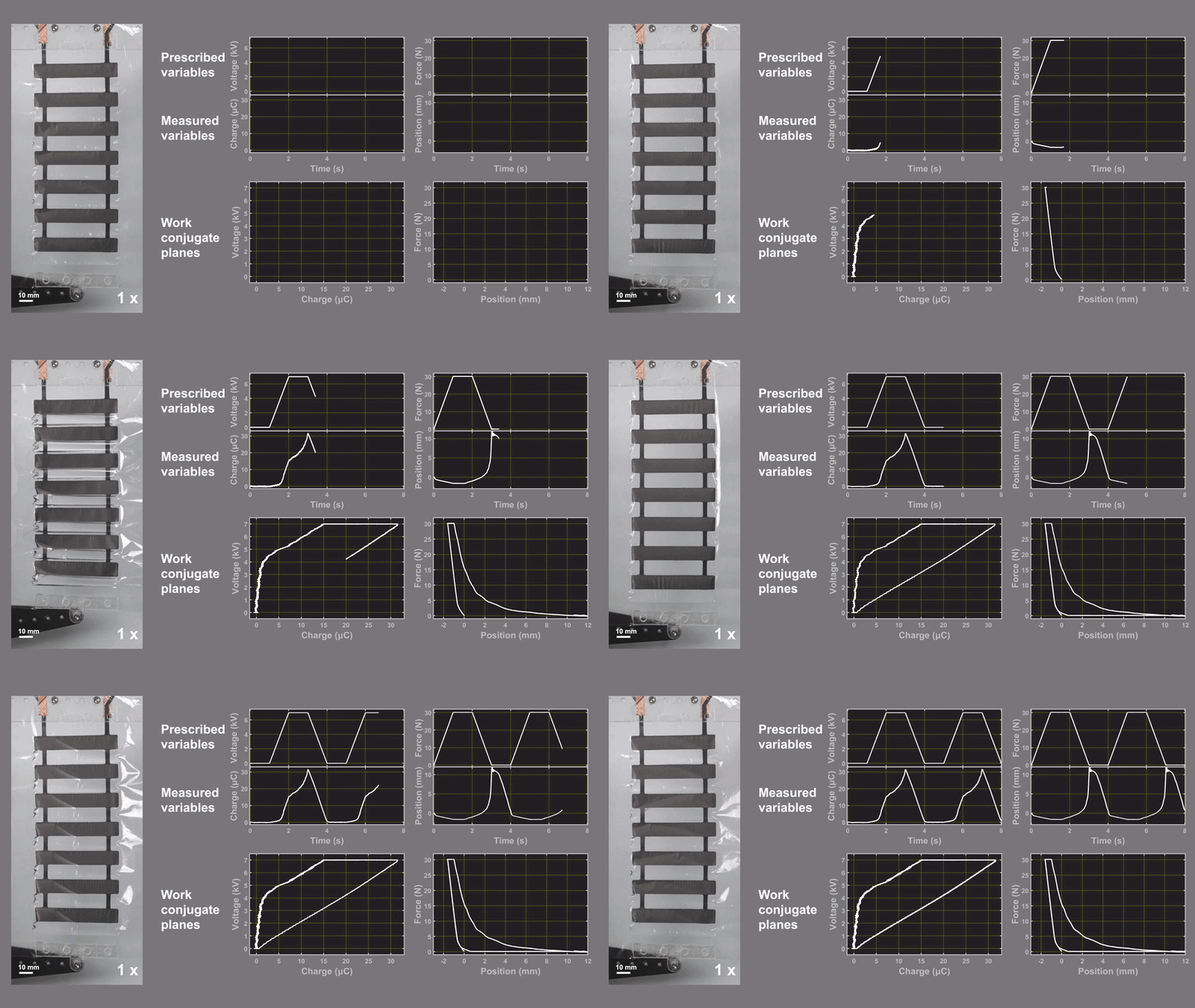
Closed cycles on the work conjugate planes enables study and enhance energy efficiency of soft electrostatic actuators.
Soft electrohydraulic artificial muscles enable robotic legs for agile, adaptive, yet energy-efficient locomotion.
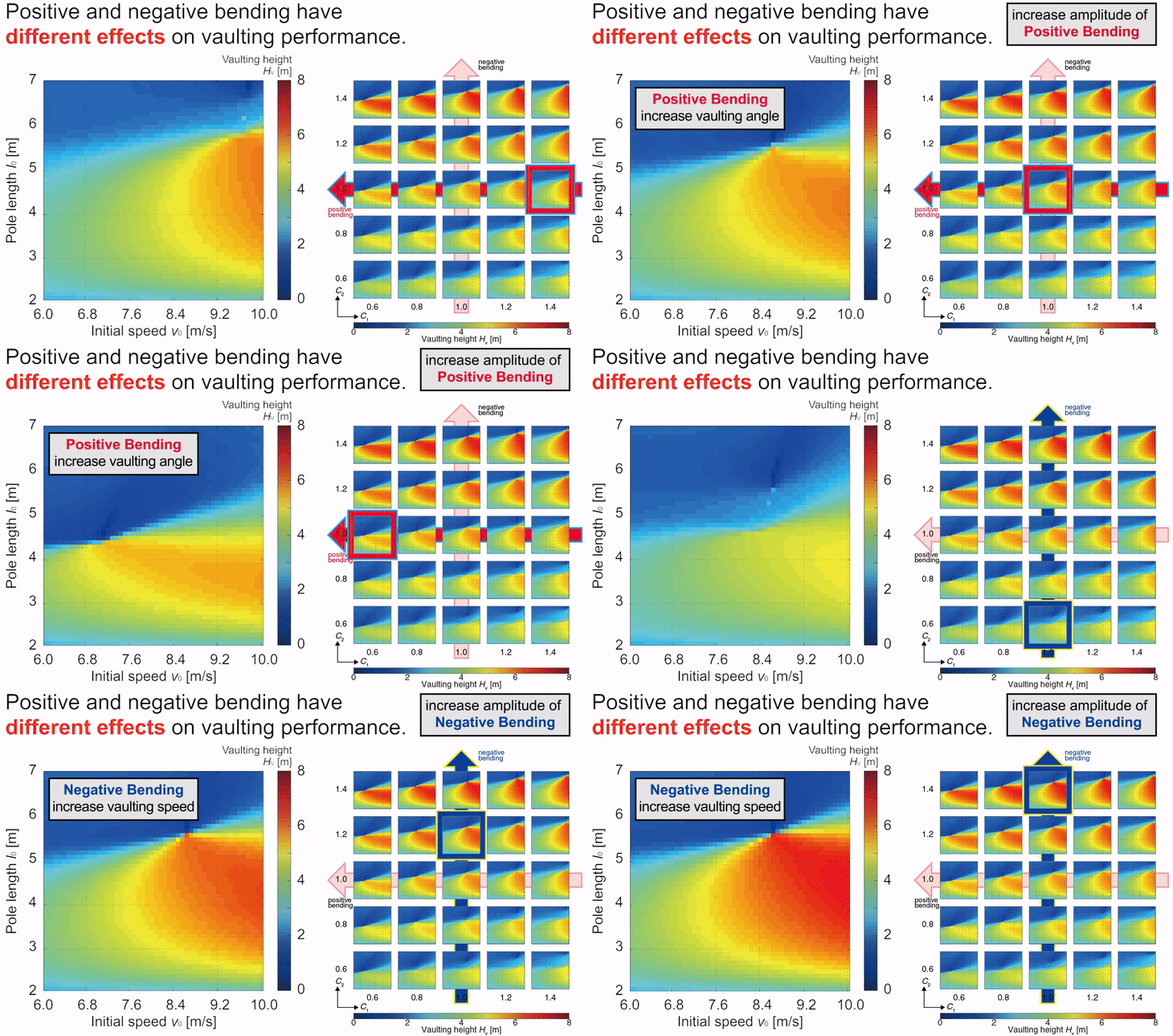
Globally explore sensitivities and interacteve effects of motion parameters during pole support phase to increase vaulting height
Integrative and Comparative Biology
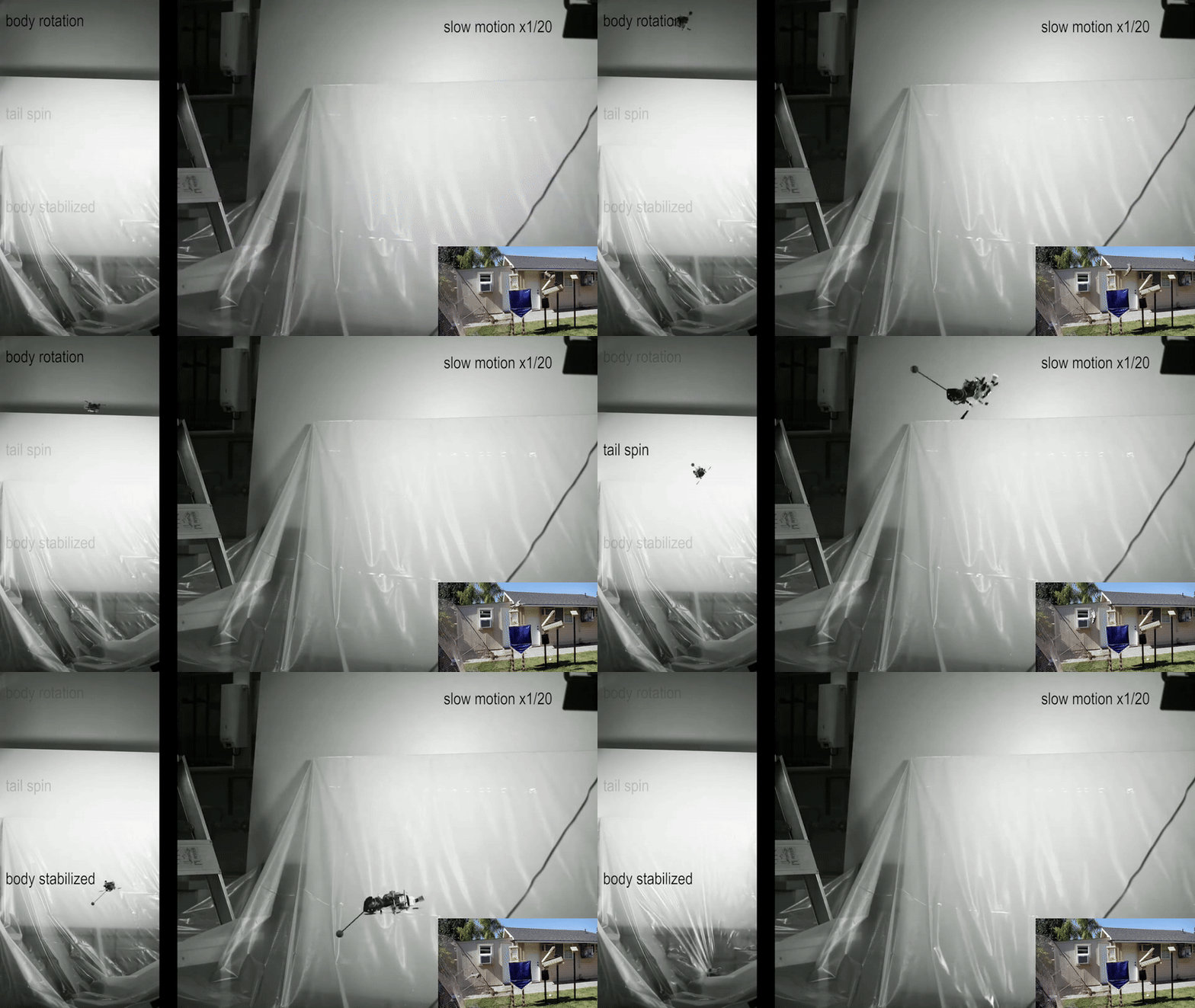
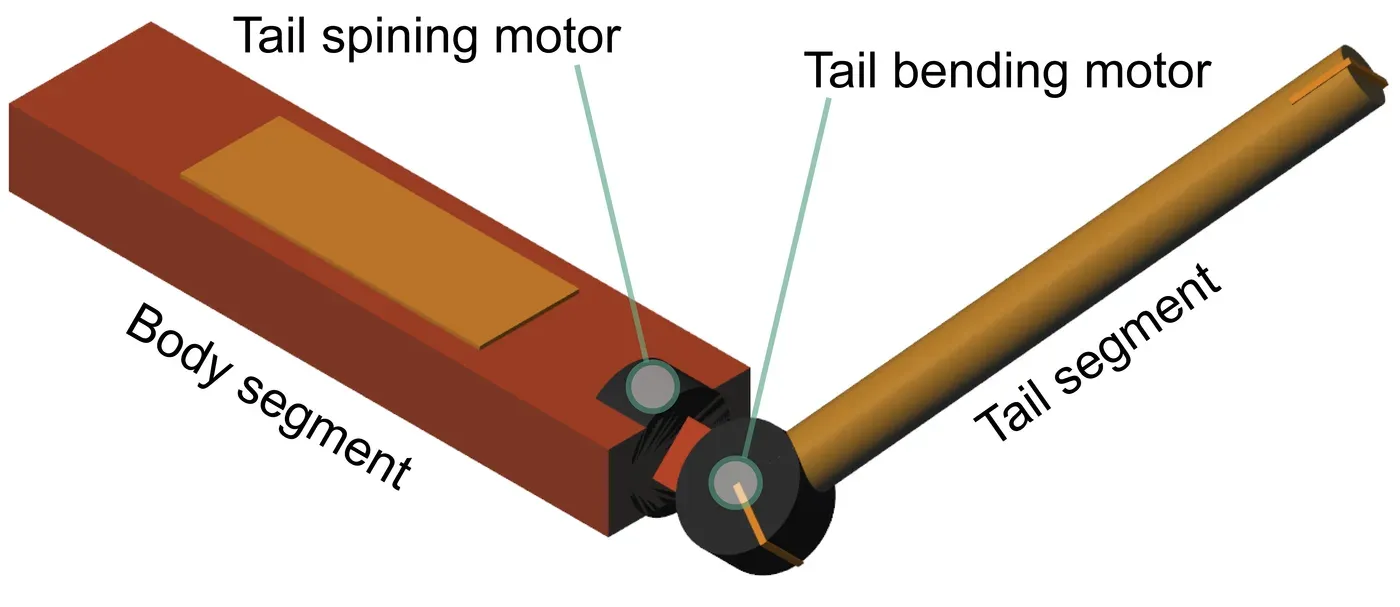
Squirrel’s very light tail (just 3% of body mass) can inertially stabilize their body from unexpected falls.
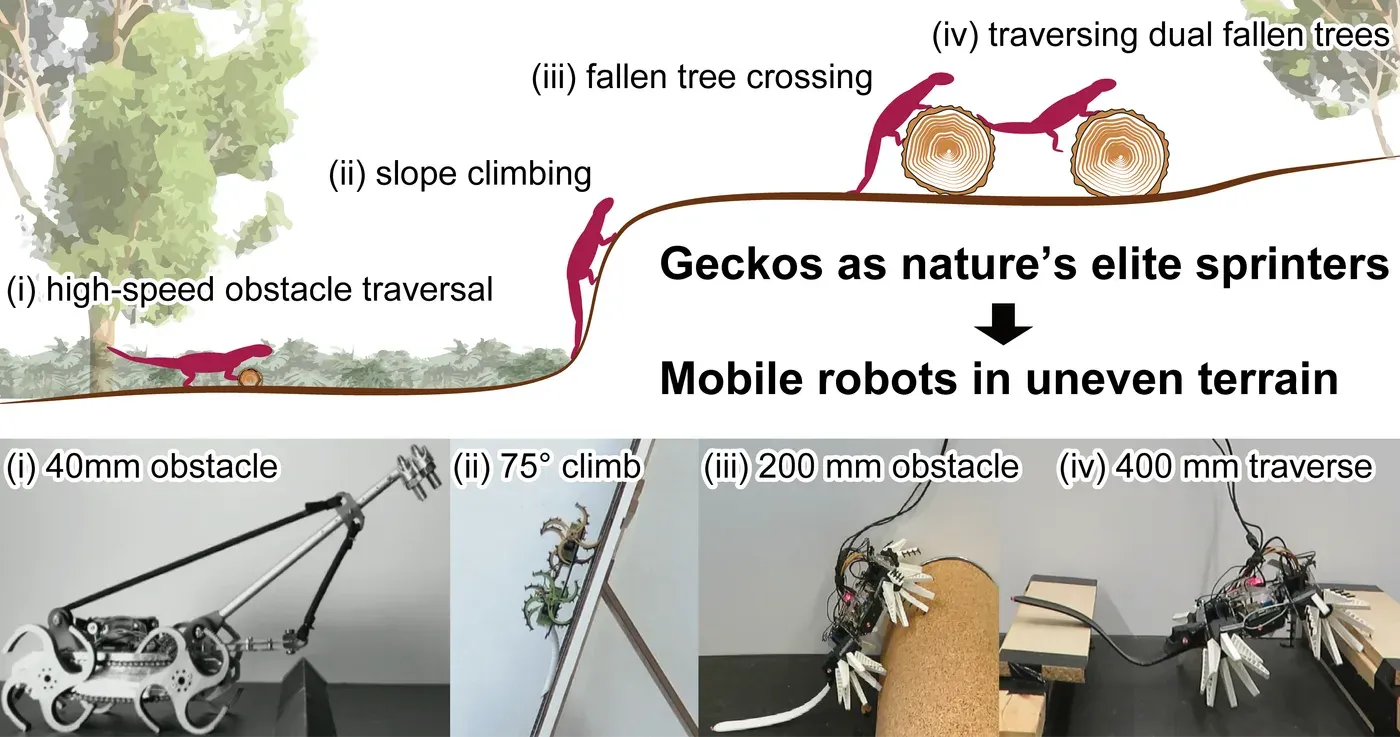
Geckos, as nature's elite sprinters, inspire mobile robots on uneven terrain.
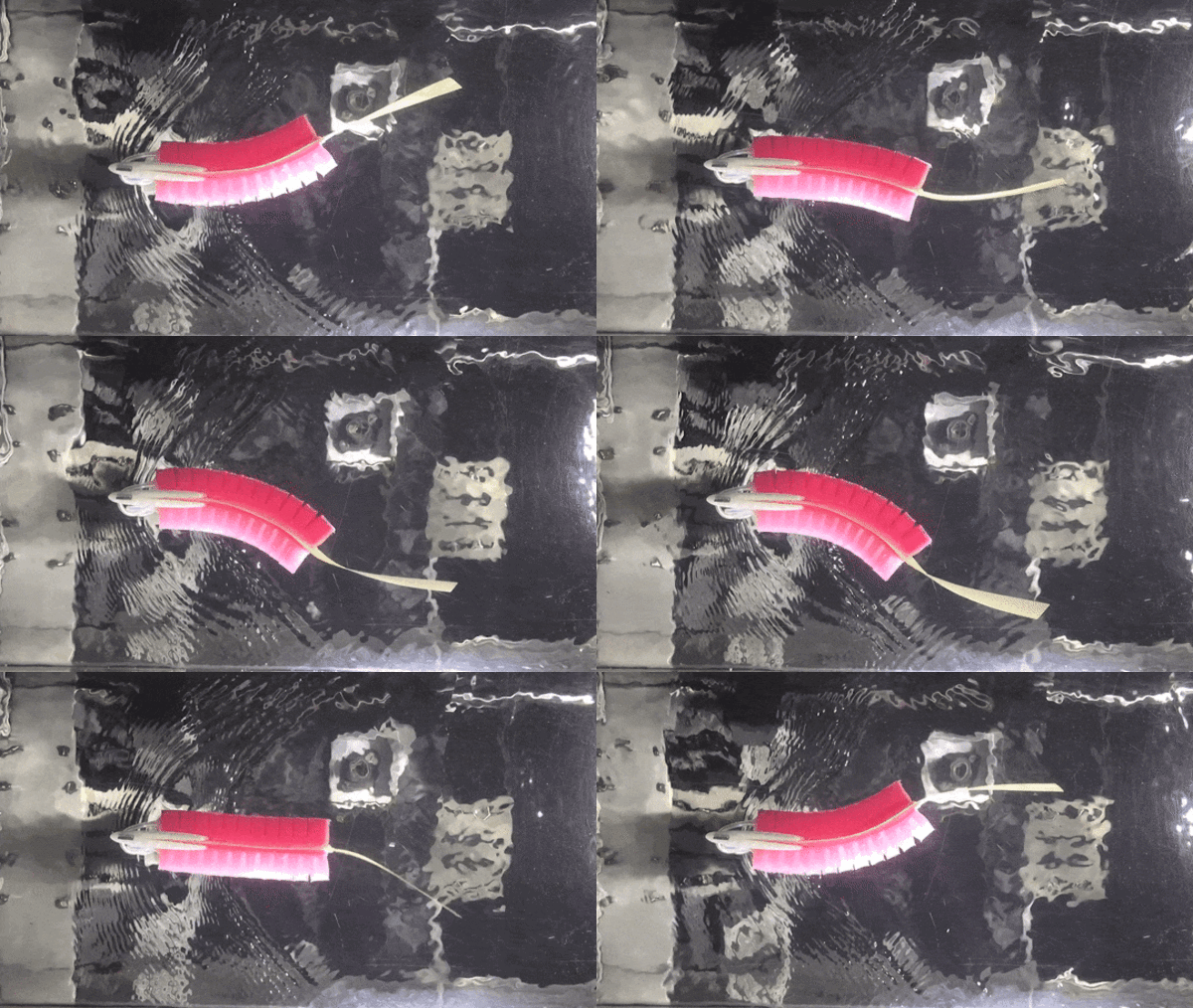
Soft robotic fish: real-time tail-beat control using eGaIn strain sensing and a lightweight-data-driven model.
Squirrels reorient their bodies in the air with the movement of their tails.
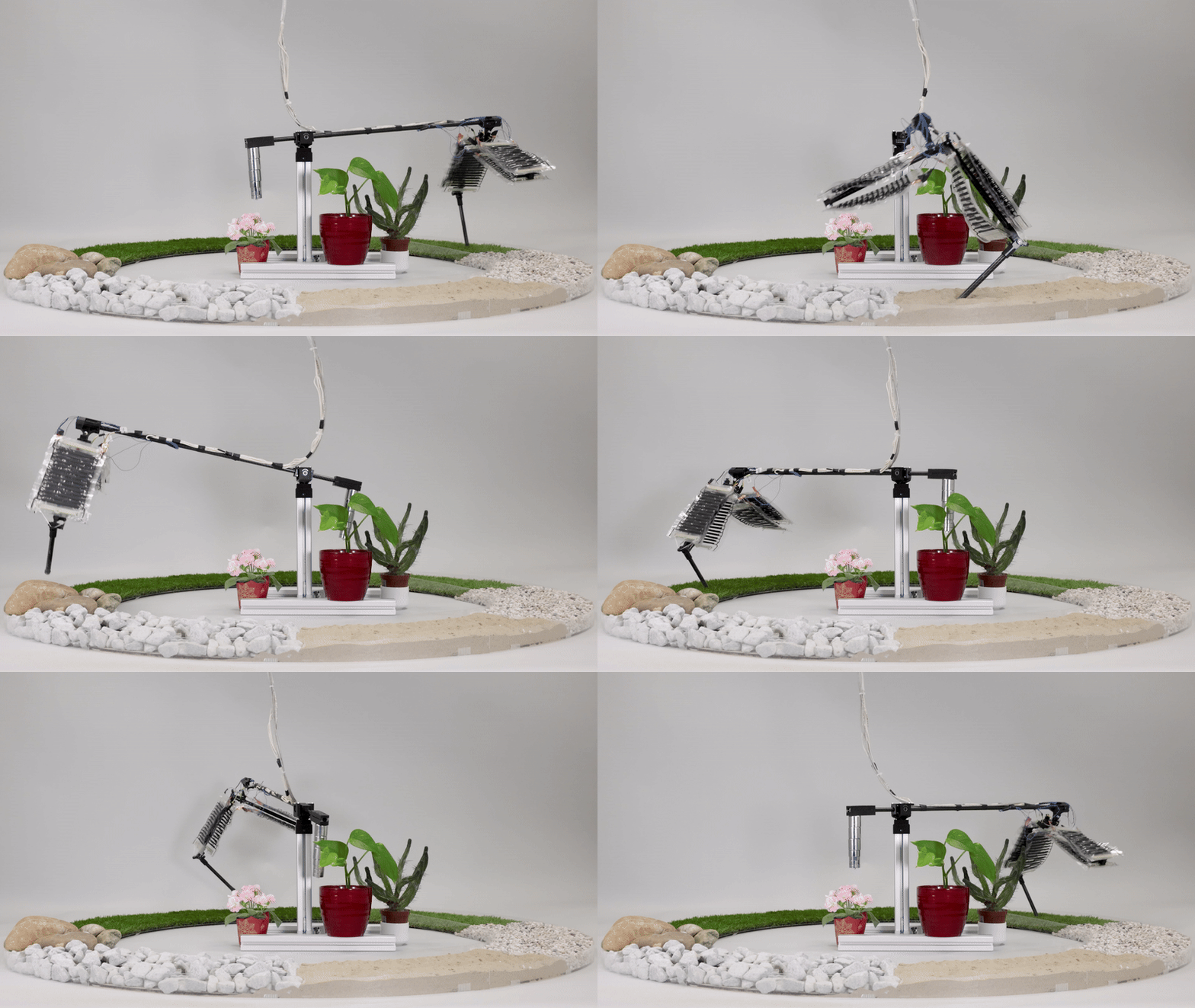
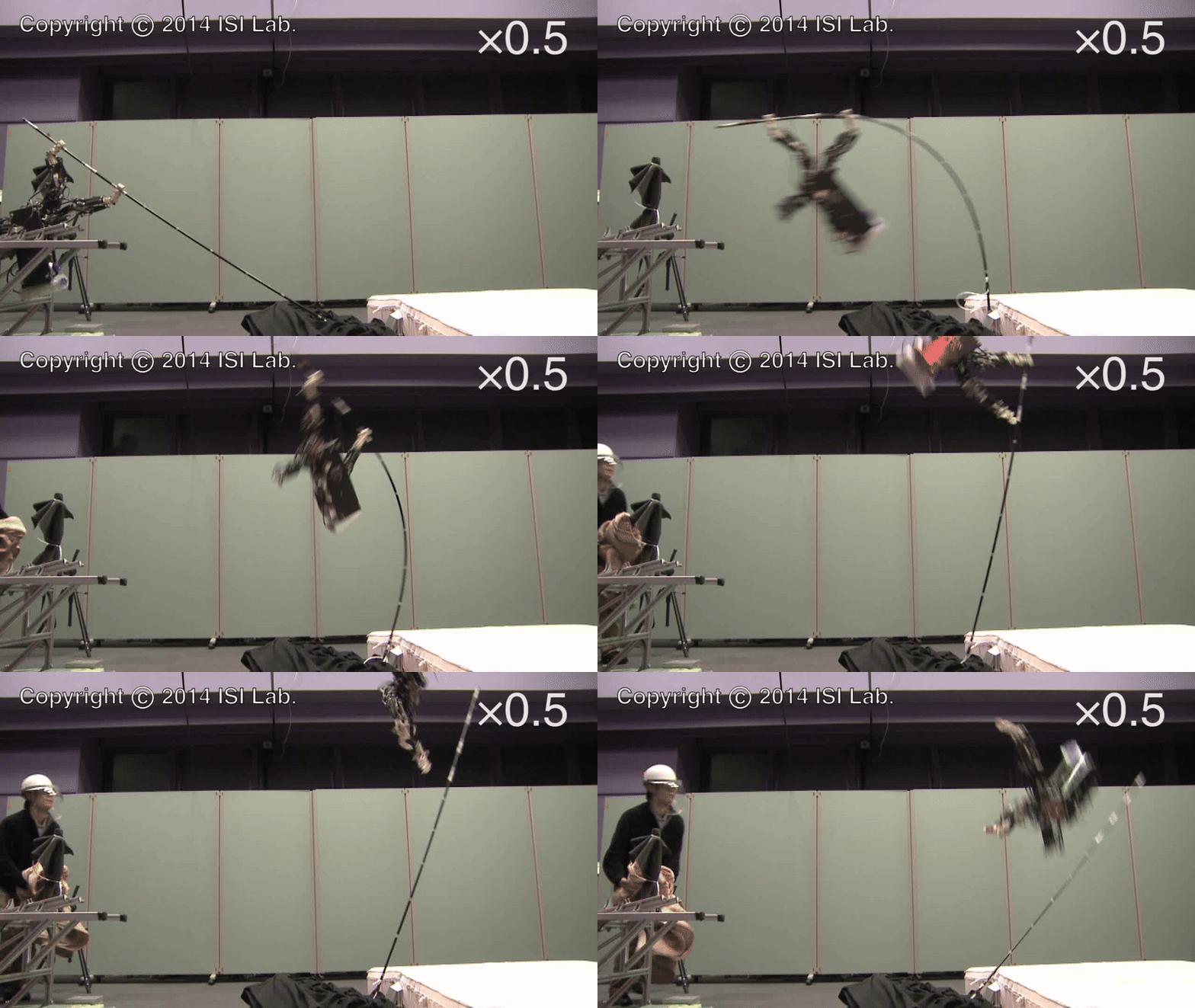
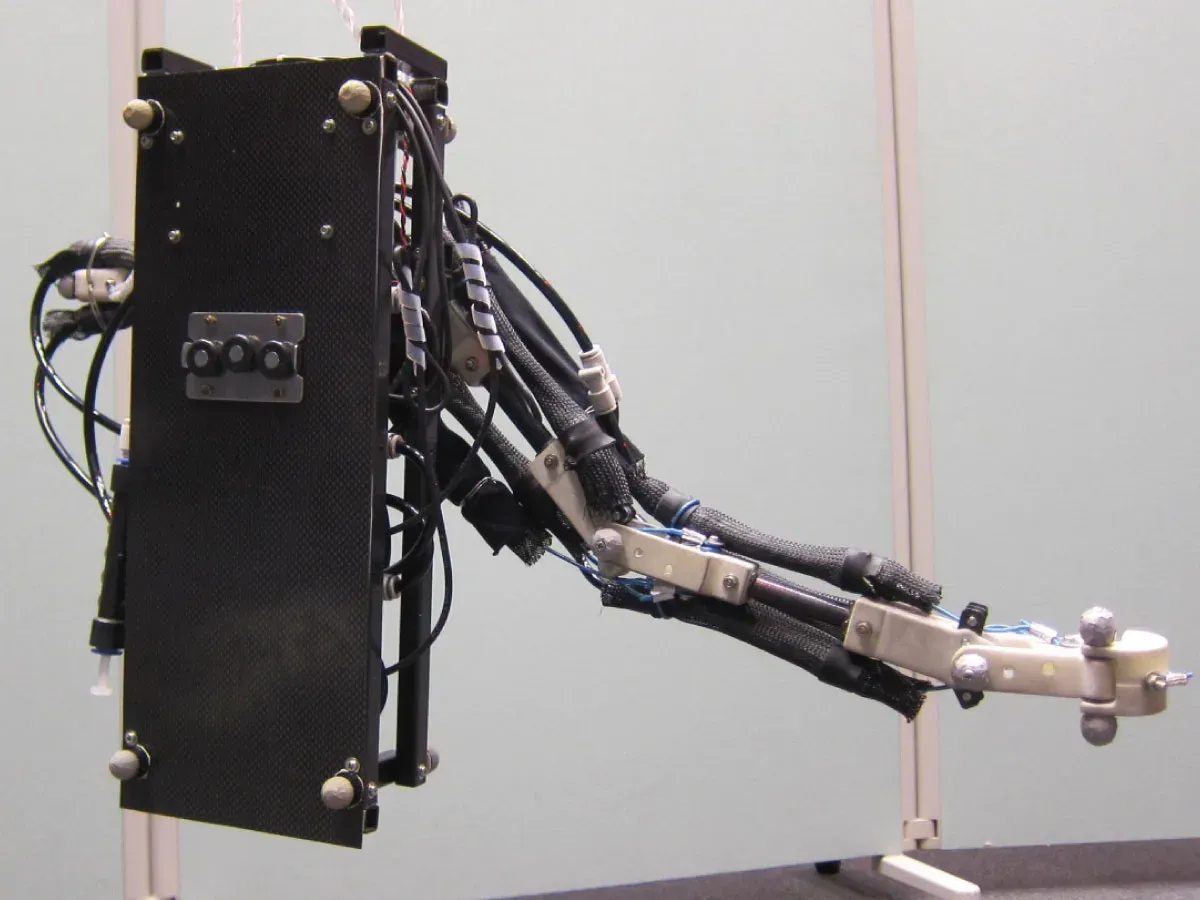
A dual hand robot achieves pole vaulting to jump 1.67m.
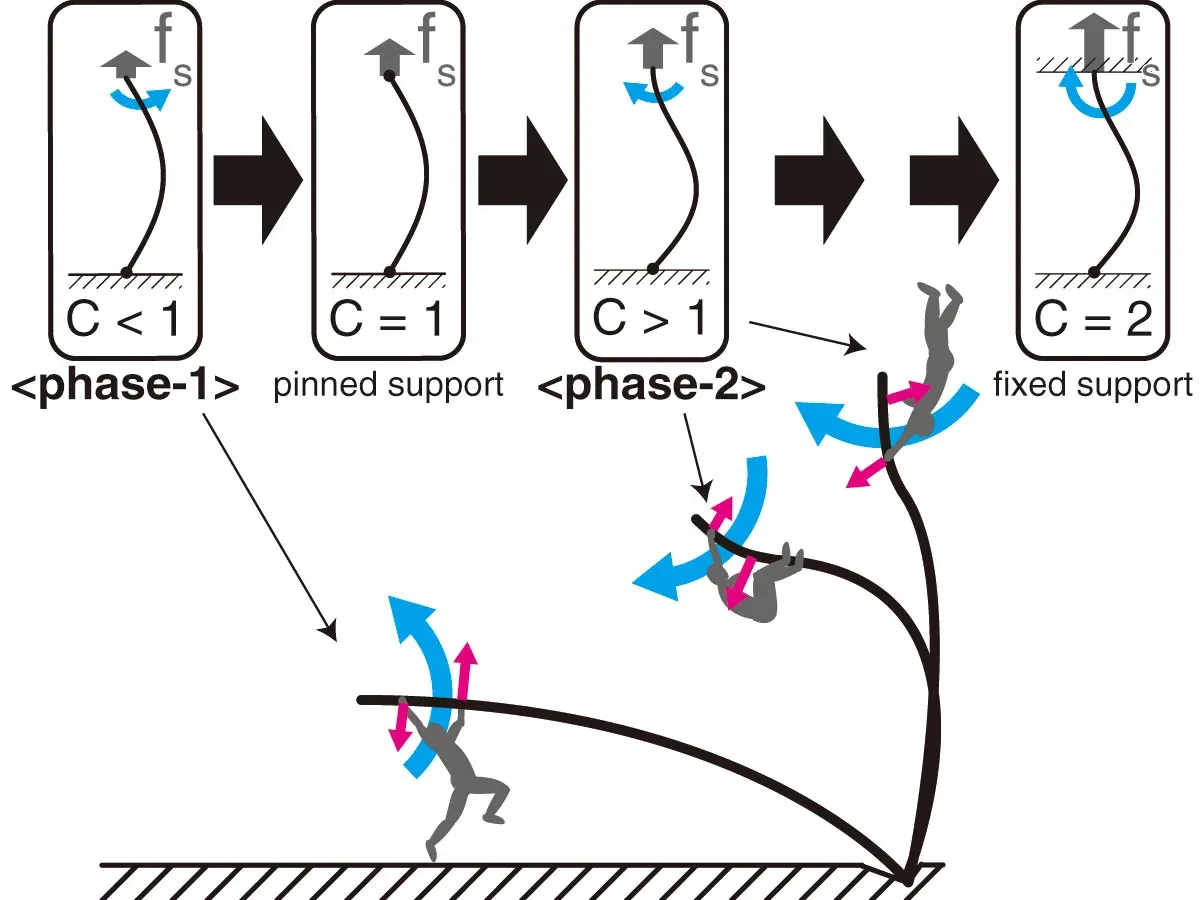
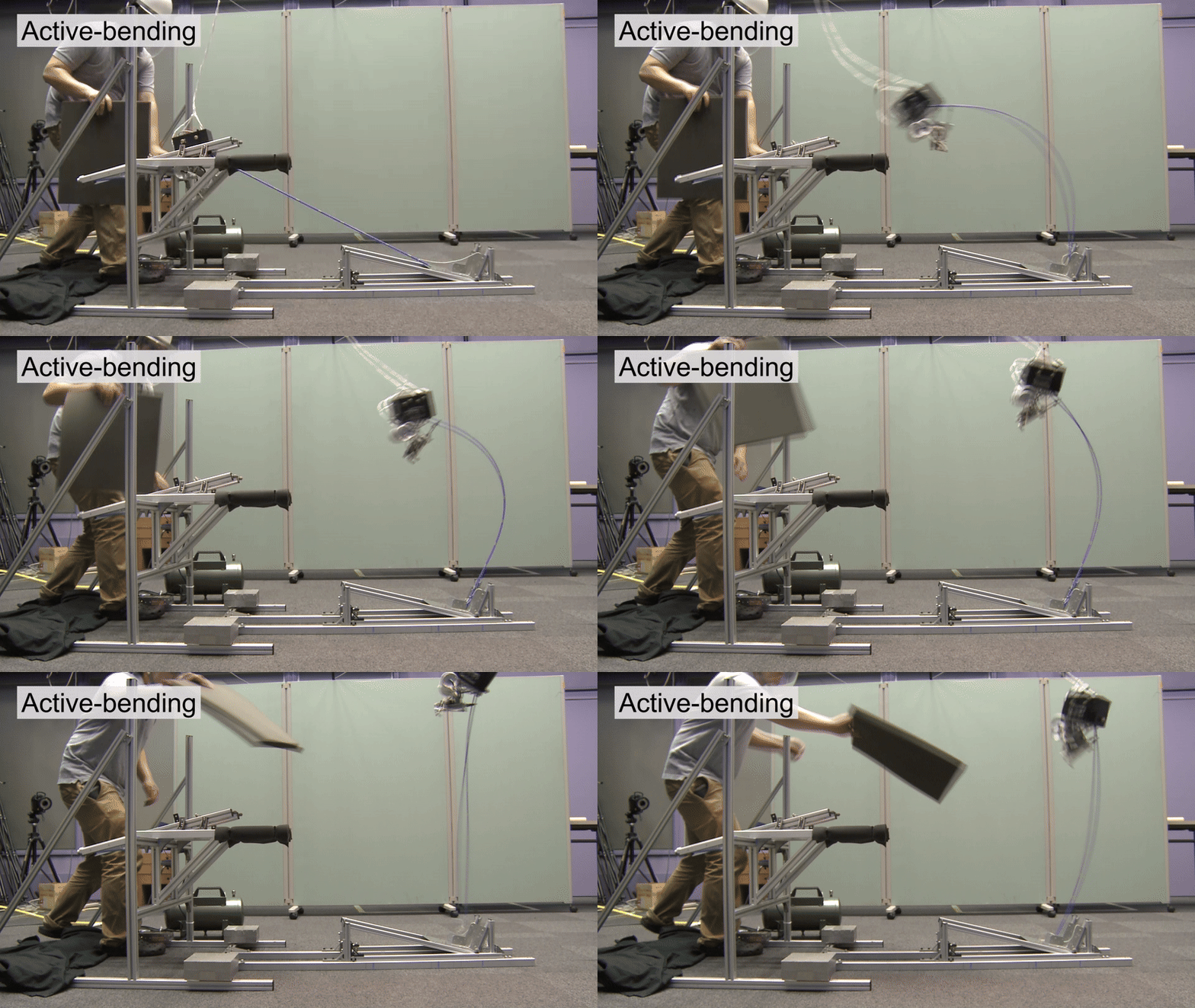
Robotic active bending motion during pole support phase improves reachable height of the robot.
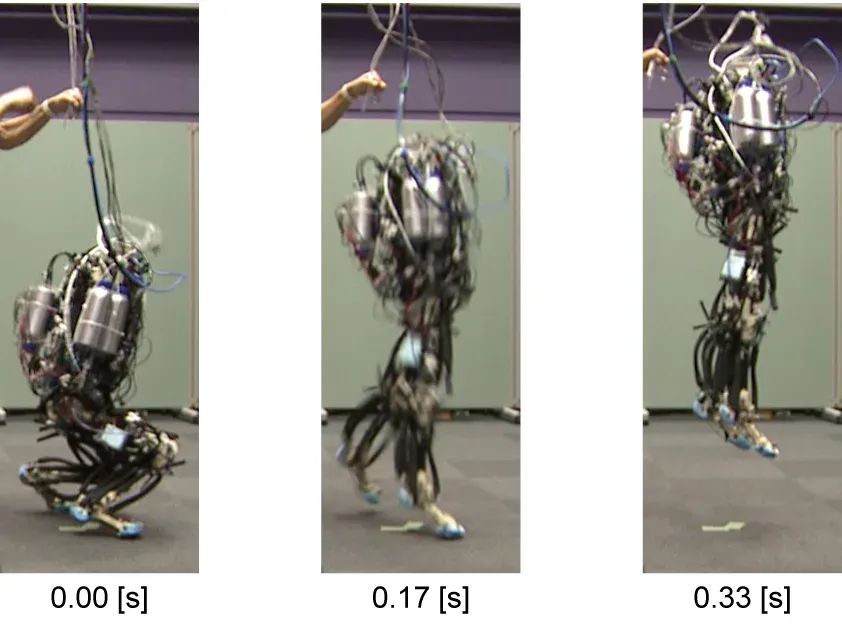
Angle-dependent moment arm (ADMA) extends the range of possible jumping postures for musculoskeletal robots.
Transactions of the Society of Instrument and Control Engineers
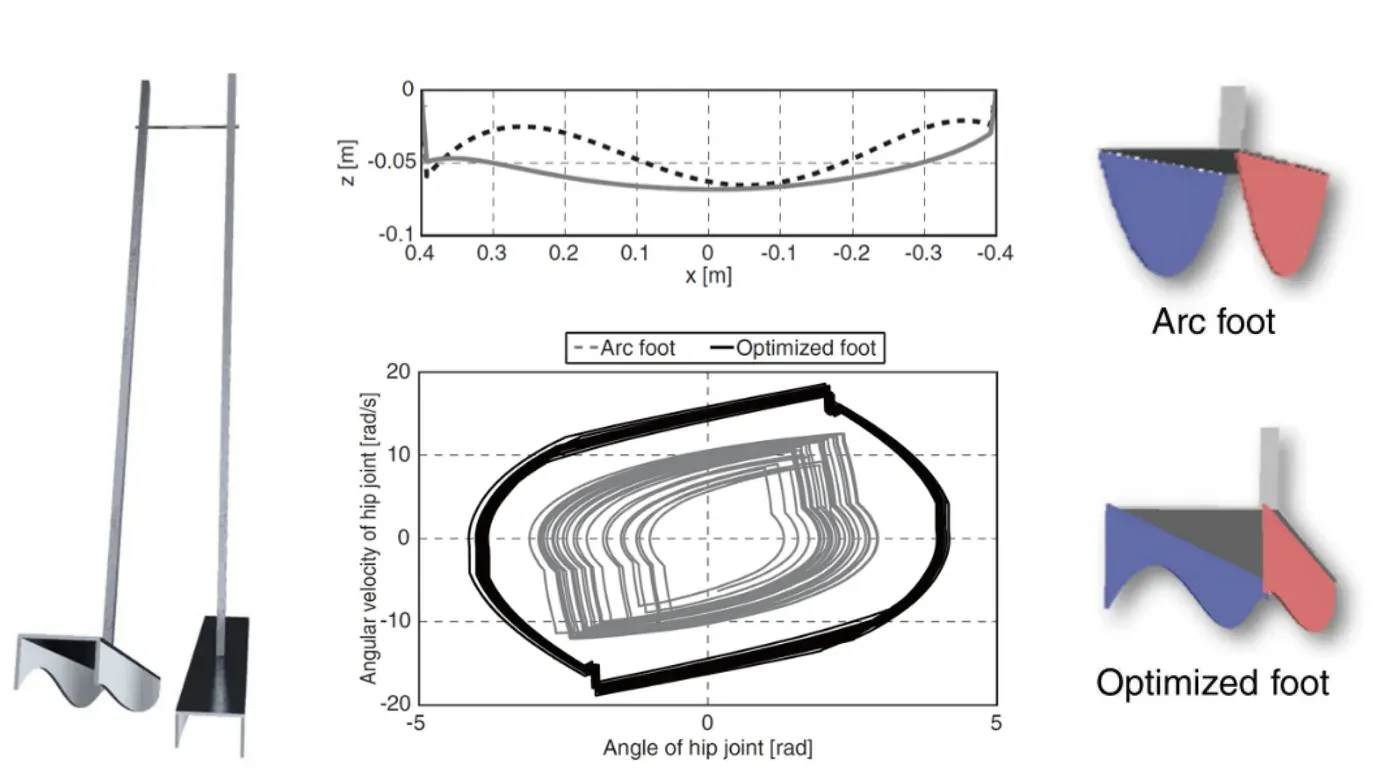
Optimized feet shape of the passive dynamic walker enhance its walking robustness in slope angles.
The swing-up motion in pole vaulting inertially generates bending moment on the pole.
Pole vaulters actively bend the poles to improve vaulting height.