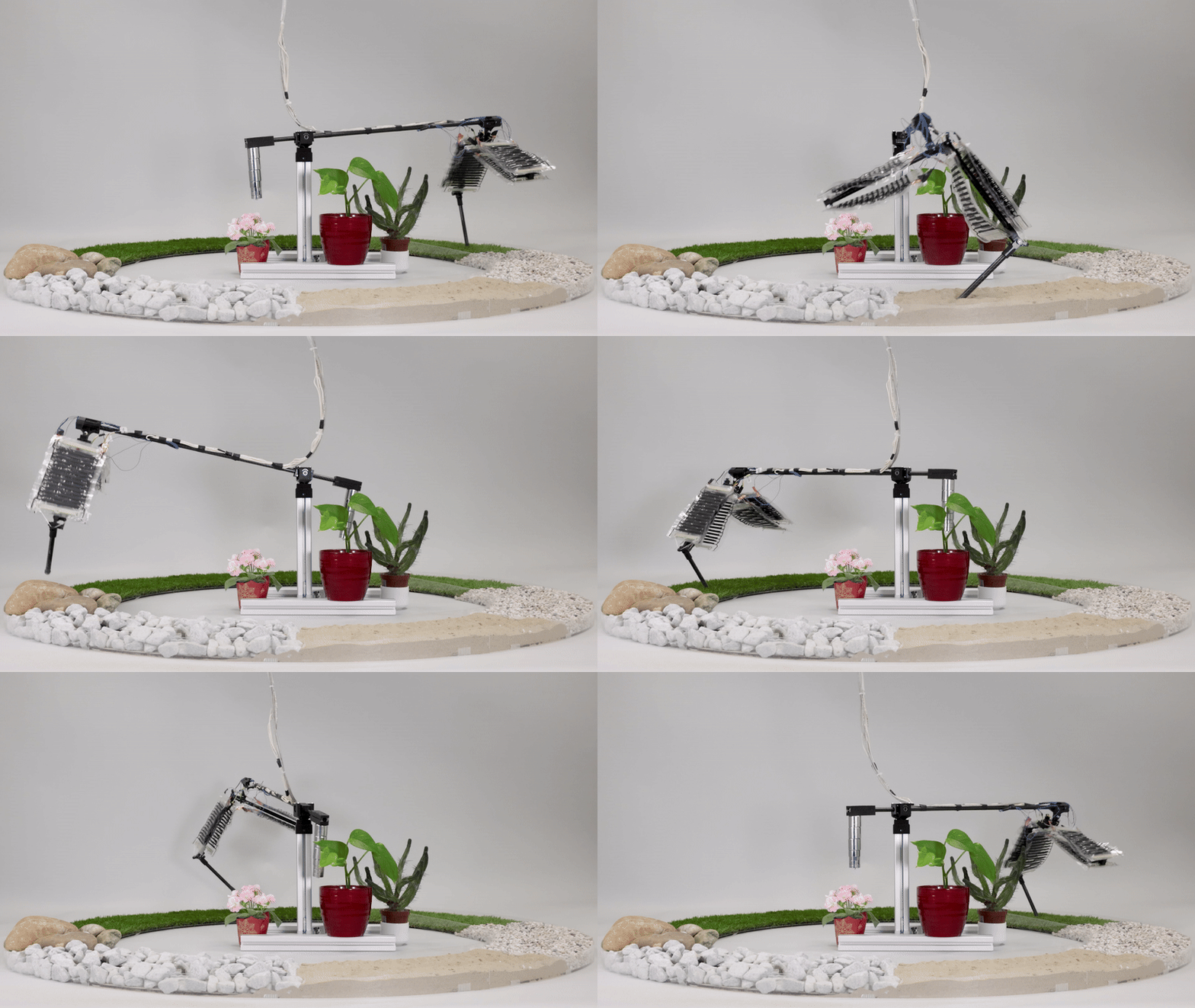
Electrohydraulic musculoskeletal robotic leg for agile, adaptive, yet energy-efficient locomotion
Soft electrohydraulic artificial muscles enable robotic legs for agile, adaptive, yet energy-efficient locomotion.

tag
Soft electrohydraulic artificial muscles enable robotic legs for agile, adaptive, yet energy-efficient locomotion.
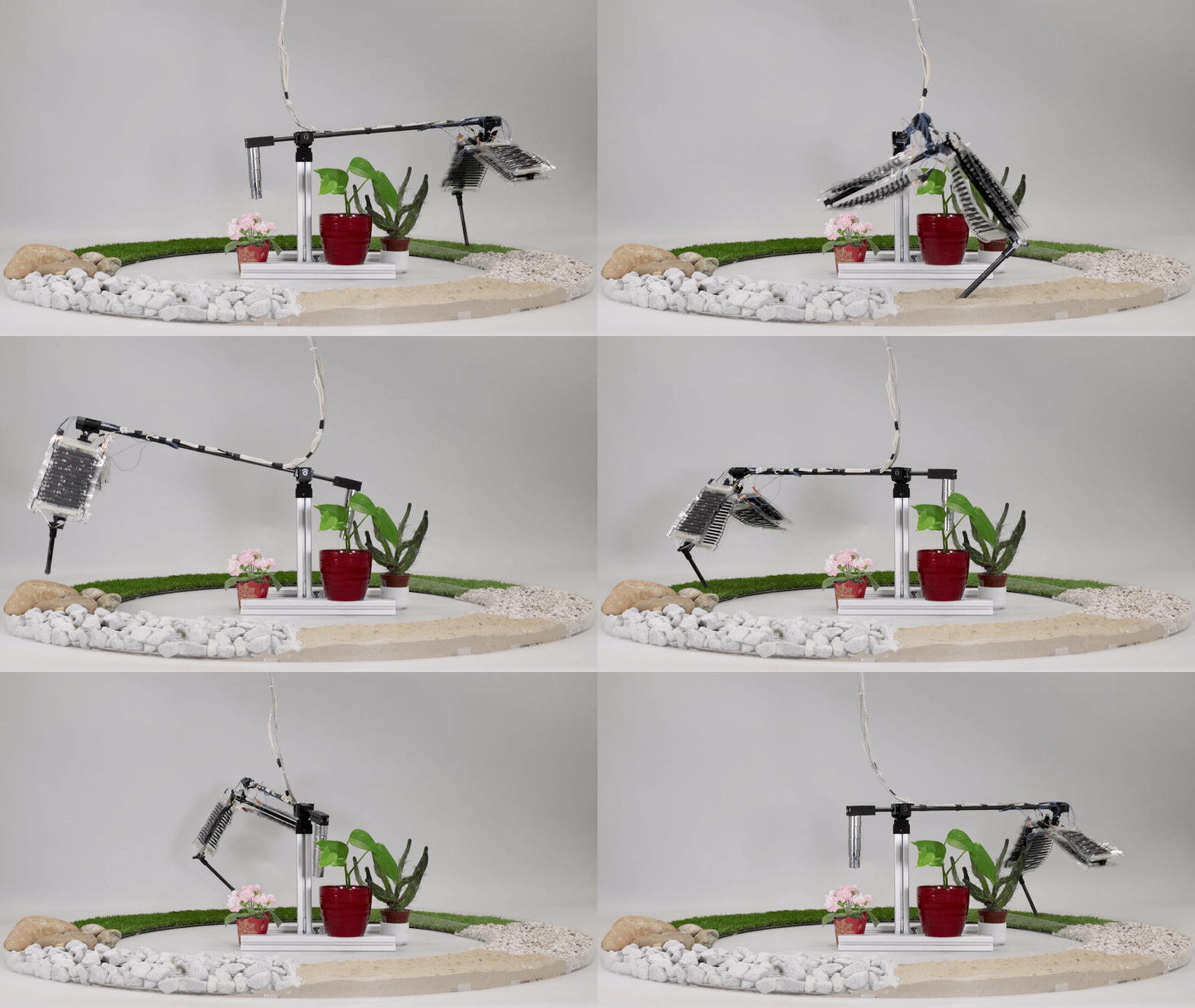
A robotic leg powered by electrohydraulic artificial muscles achieves agile, adaptive, yet energy-efficient locomotion.
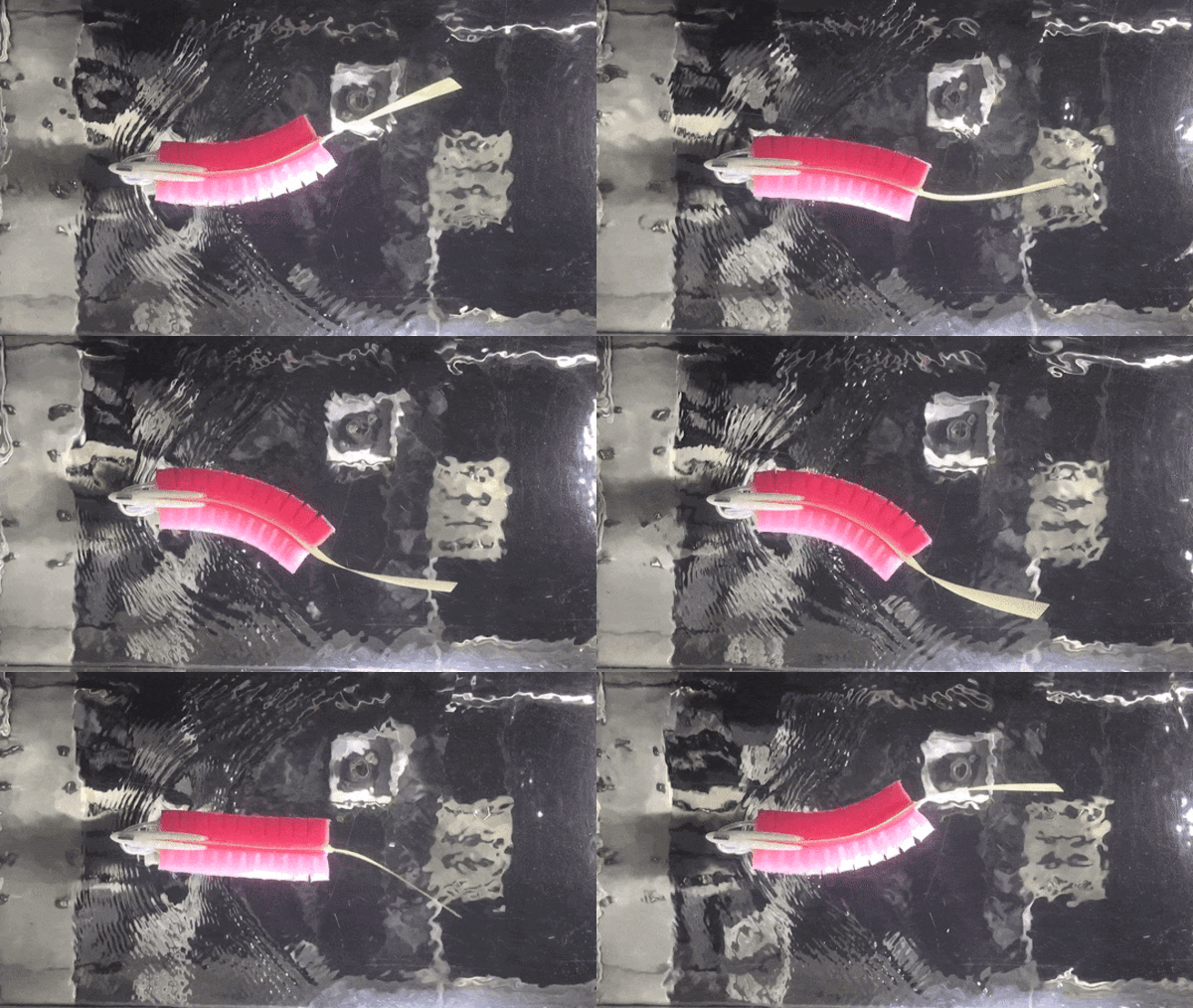
A fish robot as a robotic animal for understanding the biology of muscle activity for swimming locomotion
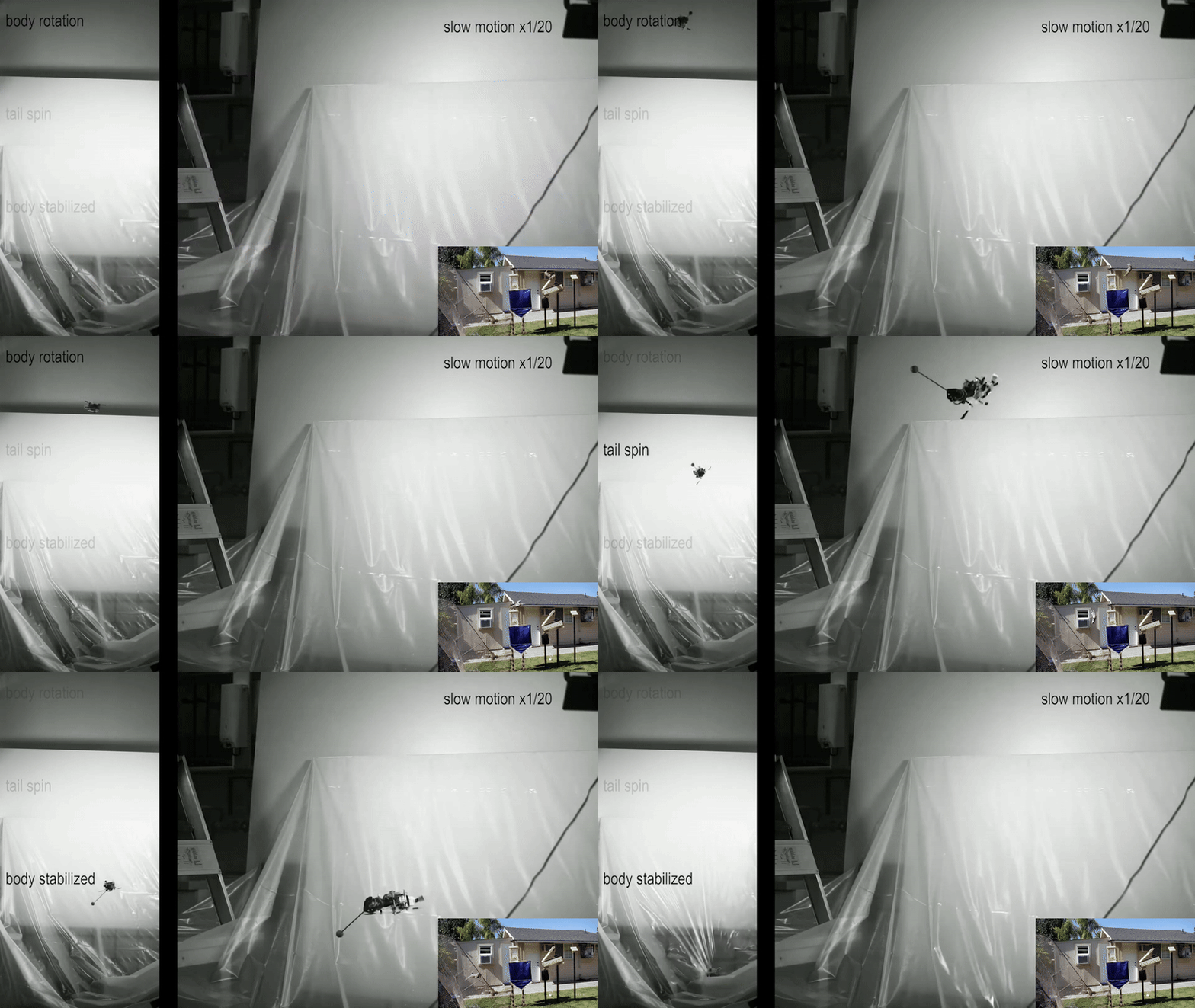
Squirrel’s very light tail (just 3% of body mass) can inertially stabilize their body from unexpected falls.
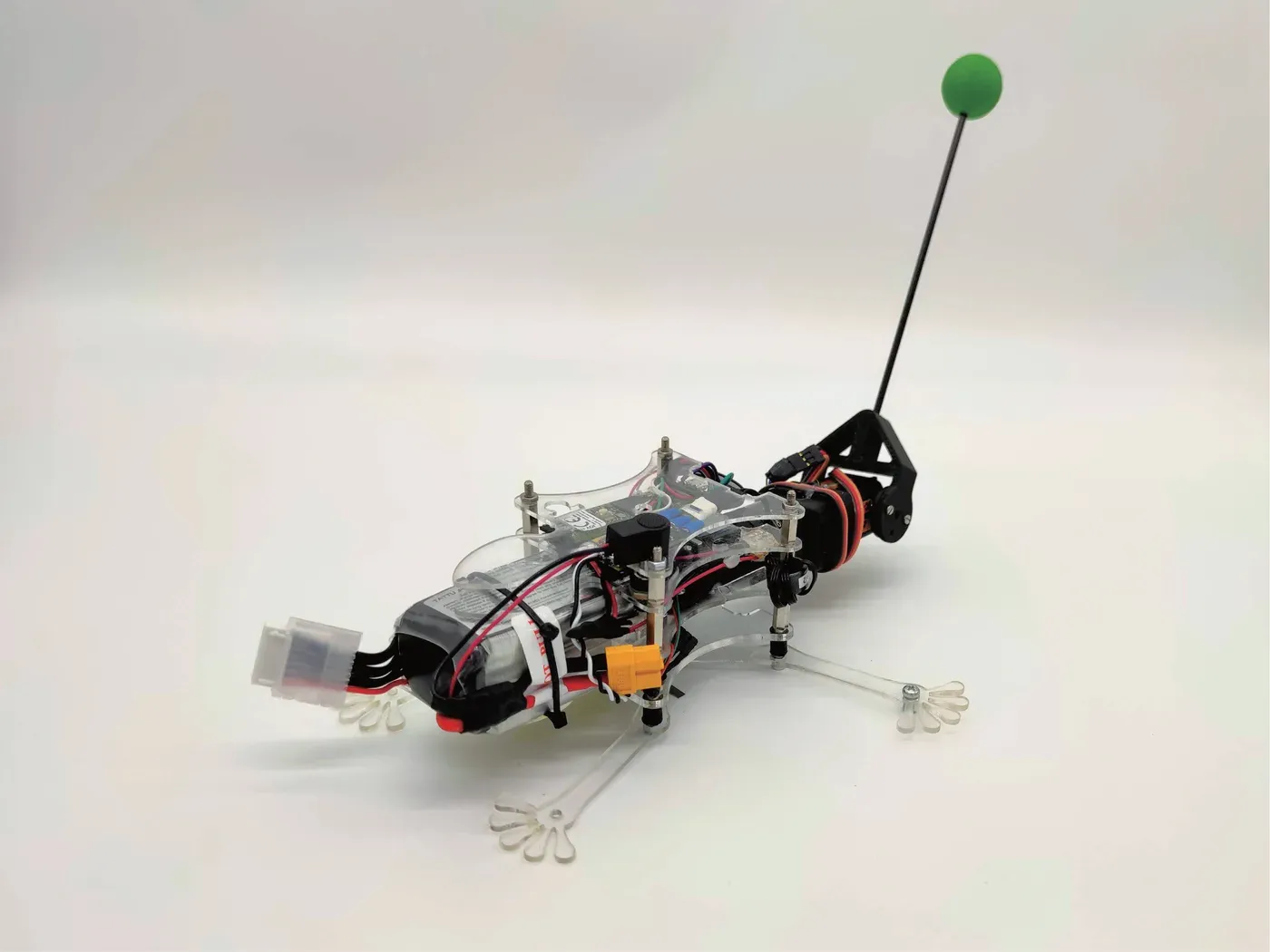
A squirrel robot for studying squirrel's aerial righting ability.
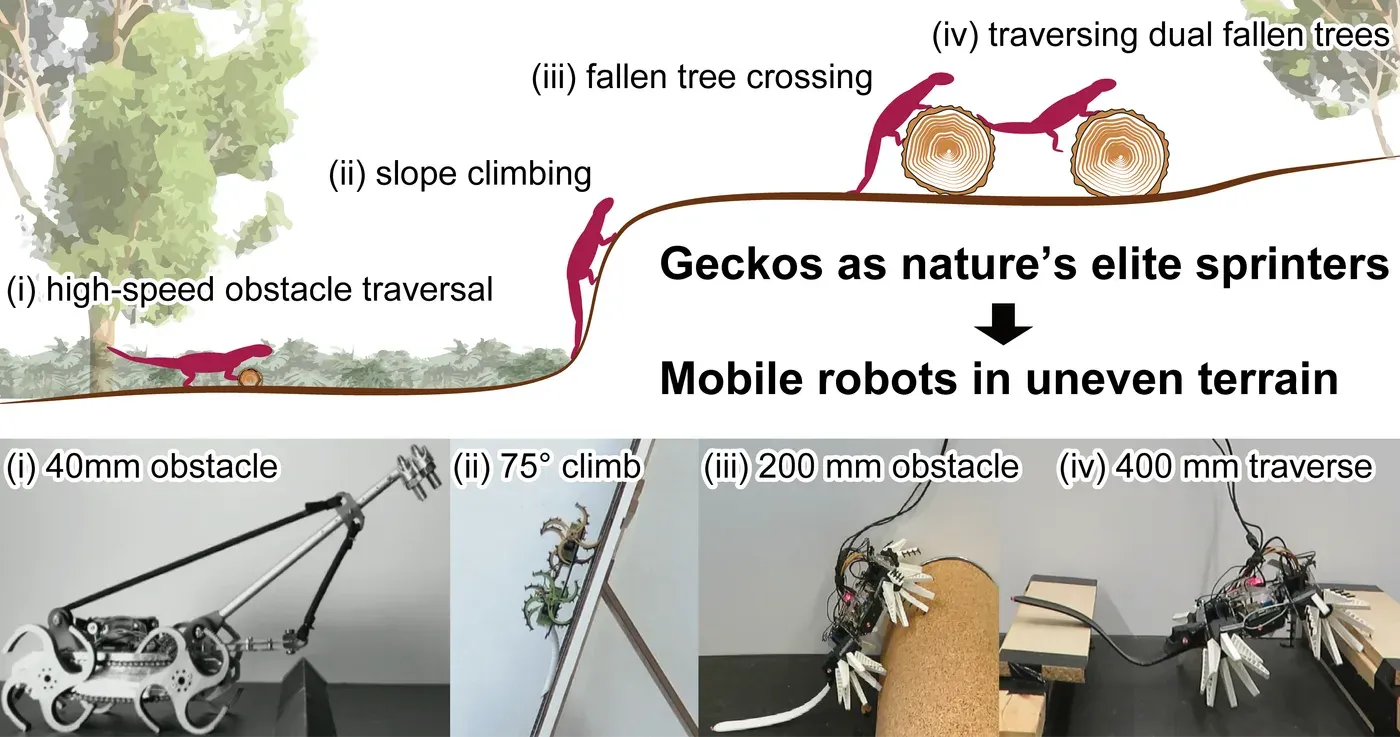
Geckos, as nature's elite sprinters, inspire mobile robots on uneven terrain.
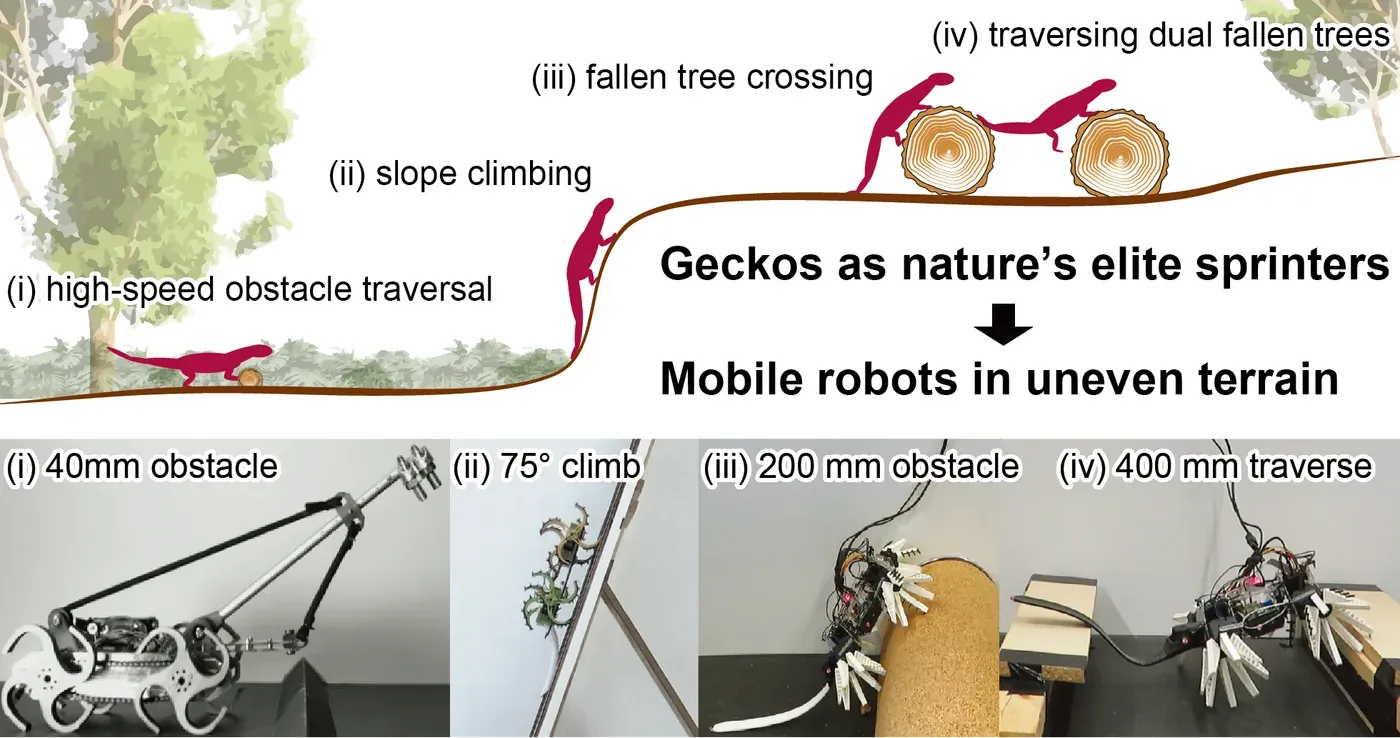
Geckos robots inspired from a nature's elite sprinter.
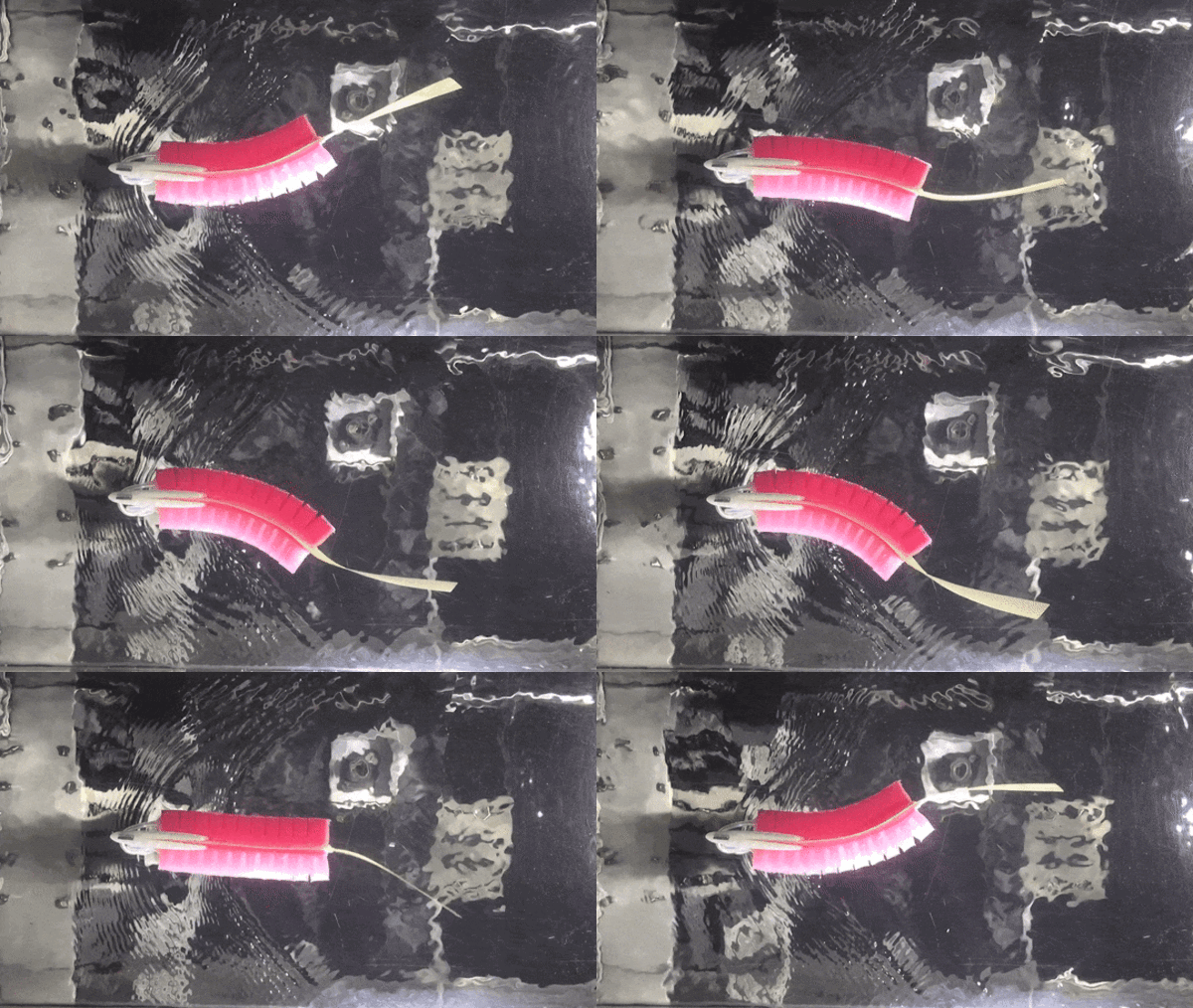
Soft robotic fish: real-time tail-beat control using eGaIn strain sensing and a lightweight-data-driven model.
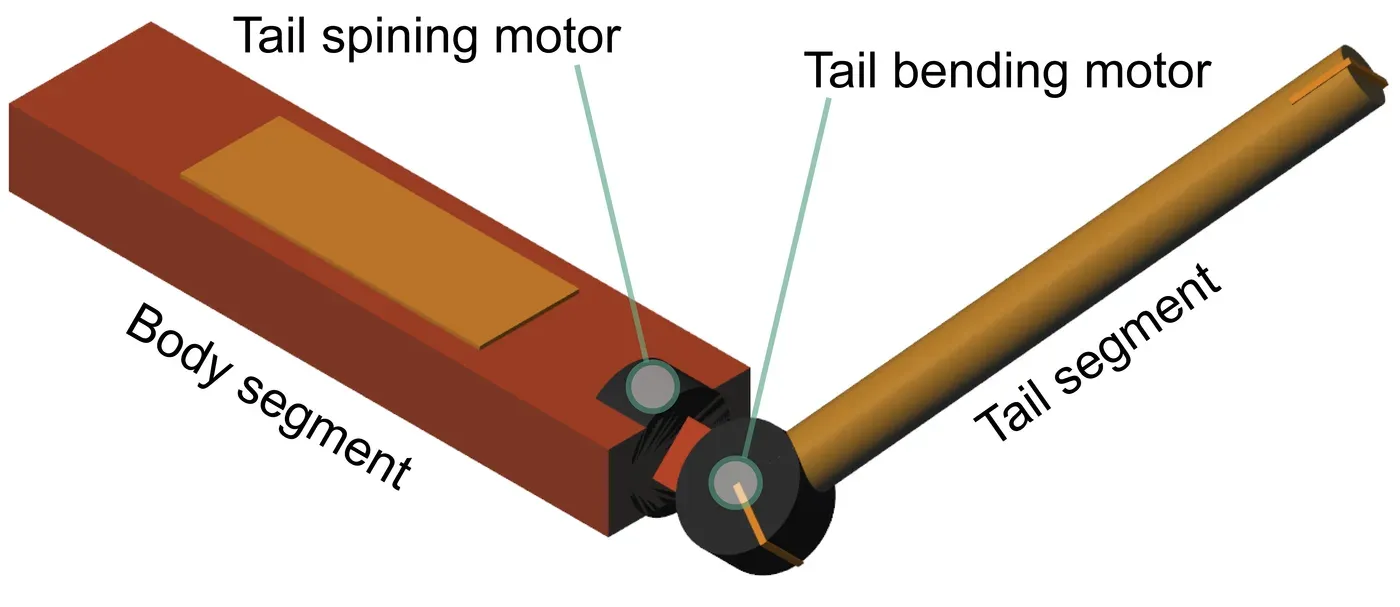
Squirrels reorient their bodies in the air with the movement of their tails.
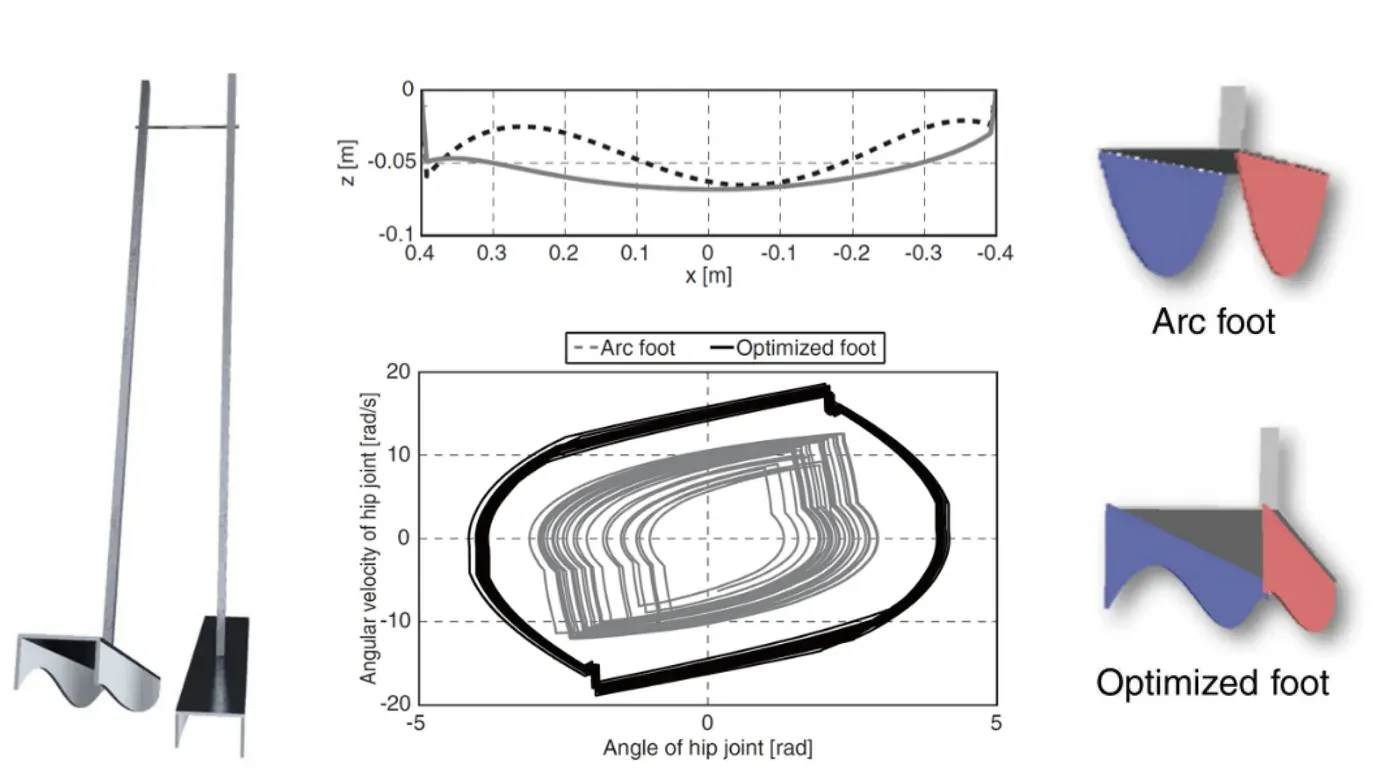
Optimized feet shape of the passive dynamic walker enhance its walking robustness in slope angles.
Optimizing foot shape of a passive dynamic walker enables robust walking against changes in slope inclination.